

International market research can look reliable on paper: the right sample size, the right markets, and a report full of clear findings.
Yet the data can still point you in the wrong direction. A translated survey question may shift slightly in meaning, or a focus group may miss a cultural cue that changes what an answer really means. Yet the results are still compared across markets as if language had no effect on them.
That is why global market research needs language and cultural differences considered from the beginning, not translation added at the end.
This article looks at where those risks appear and how to build a more reliable research process across markets.
Language Bias in International Market Research: The Hidden Variable
Language bias is the distortion that can appear when respondents answer in a non-native language or when translation changes how they understand a question.
Someone may speak English fluently, for example, but words such as “value,” “trust,” or “premium” may not carry exactly the same meaning or emotional weight as they do in their native language. Even a small difference can affect the answer they choose, while the response still looks completely normal in the dataset.
Giving respondents the option to answer in their native language can reduce this risk because they are responding in the language that feels most natural to them.
A 2024 study published in Quality & Quantity found that subtle wording differences in translated survey questions could change how respondents understood certain concepts, even when those differences were not obvious in the headline results.
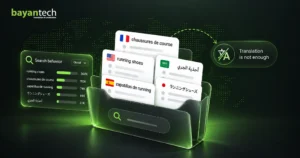
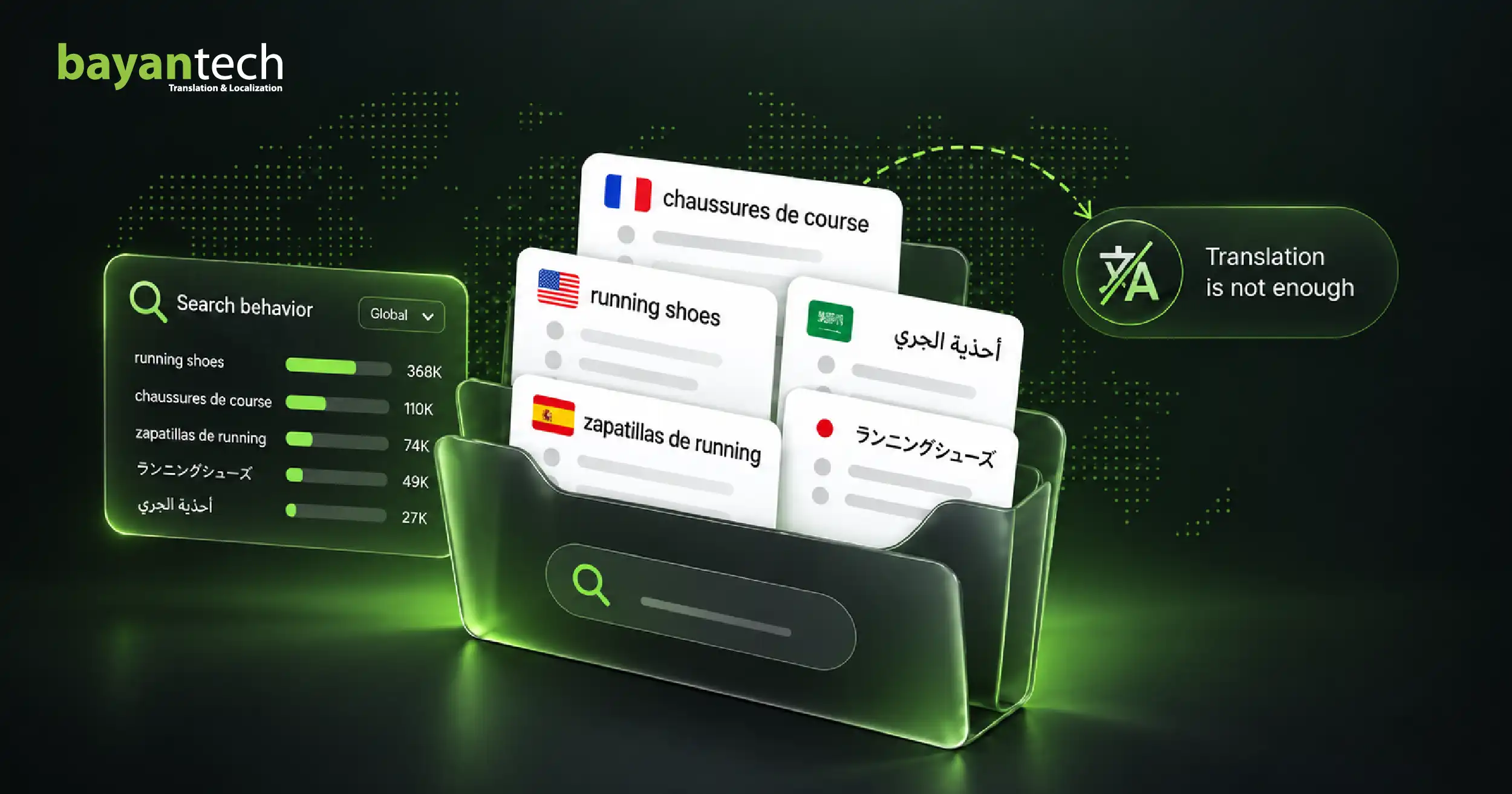
The same principle applies to Multilingual Keyword Research. Translating keywords word for word can miss how people actually search because language, wording, and intent change from one market to another.
What Happens When Survey Translation Gets Treated as an Afterthought
Problems often begin when one master survey is written first and only translated after every question has already been approved.
Some questions simply do not travel well. If respondents have to stop and work out what a question means, the problem is no longer just wording. It can start affecting the answer you get.
Idioms may sound unnatural in another language, product descriptions may carry different associations, and even response scales can shift in meaning.
“Strongly agree” may look straightforward, for example. But across languages, the difference between “agree” and “strongly agree” may not feel equally strong. That can affect how respondents use the scale and make comparisons between markets less reliable.
This is why multilingual survey design and survey translation services solve different problems. Translation carries meaning into another language, while multilingual survey design asks whether the wording, scale, structure, and cultural framing will work across markets in the first place.
A translation can be linguistically correct and still create problems for the research itself. That makes validation an important part of the process.
Back-Translation as a Validation Step
One validation method is back-translation, where a translated questionnaire is translated back into the source language by another linguist and compared with the original.
It can reveal changes in meaning, but it should not be the only check. A question may translate back accurately while still sounding unnatural to the people answering it.
Pew Research Center notes that back-translation can identify some problems but may miss others, which is why team-based review and pretesting are also important.
Native-speaking reviewers can then look at the question from the respondent’s perspective: Does it sound natural? Is the intended meaning clear? Does the response scale work the way it should?
The goal is not simply to make the words match. It is to make sure people across markets are being asked the same question.
Why Focus Groups Need Interpretation Planning, Not Just a Bilingual Moderator
Focus groups create a different challenge because people rarely speak in neat, literal sentences. They use humor, local expressions, hesitation, and cultural references that can change the meaning of a response.
A bilingual moderator may understand both languages well, but they are also managing the discussion, watching reactions, and asking follow-up questions. Important details can be missed if interpretation is handled at the same time.
Teams should therefore decide in advance how responses, quotes, recordings, and notes will be translated and reviewed.
Language is only part of the issue. An interview style that feels natural in one market may feel too direct or formal in another. Making sure that you speak the right language and create a setting where participants can respond naturally and their meaning is captured accurately is the goal.
So, how can you handle clear reliable international market research?
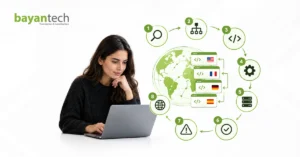
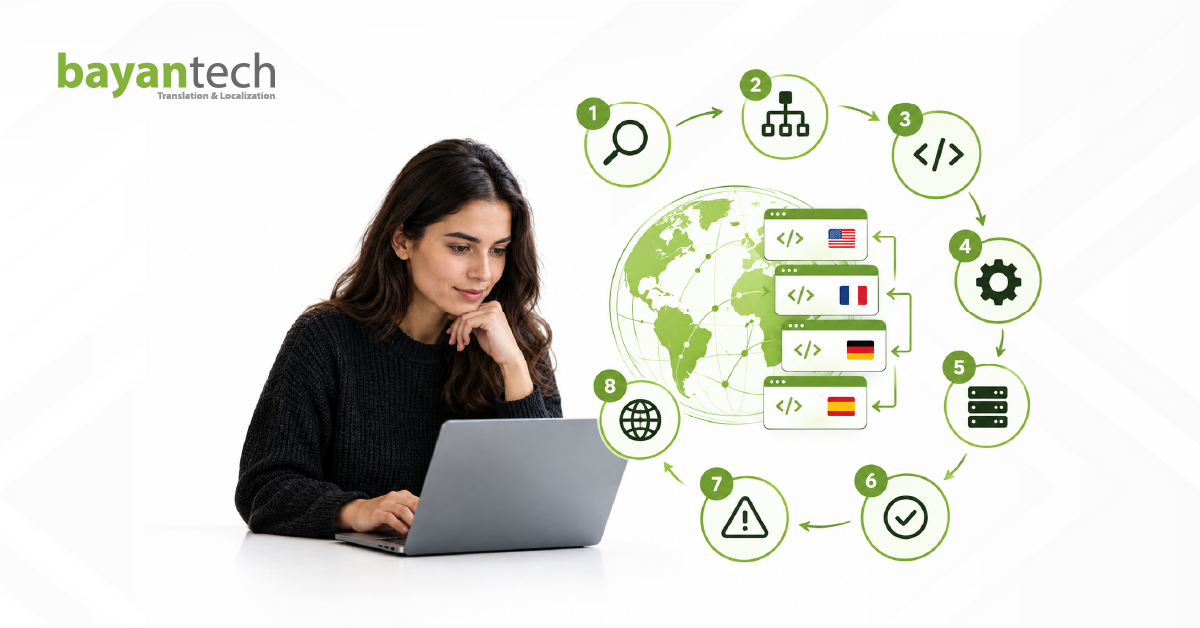
A Step-by-Step Process for Reliable International Market Research Across Cultures
The best way to reduce these risks is to build language planning into the entire research process rather than adding translation after the methodology is complete.
1. Define the Research Goal and Target Markets First
Start with the decision the research needs to support, whether that is product demand, pricing, messaging, brand perception, or market entry.
Define the target markets at the same stage. This helps you identify translation needs, local research habits, and cultural issues before the methodology is fixed.
2. Design Surveys and Discussion Guides for Multilingual Use
Write questions with translation in mind from the first draft. A useful rule is simple: if a question is difficult to explain clearly in the source language, it will probably become harder once it travels across languages.
Avoid idioms, wordplay, and highly local references. Keep the research objective consistent, while allowing wording or examples to change when local context requires it.
3. Translate, Review, and Test the Research Materials
Translate surveys, guides, and instructions before fieldwork, then have native-speaking reviewers check meaning, tone, response scales, and local clarity.
Testing with actual respondents can reveal problems that a language review alone may miss.
For example, Pew Research Center conducted 100 pretest interviews across six states and union territories in India, covering 16 local languages, before fielding a major survey. The purpose was to see how people actually understood the translated words and concepts before the full survey went live.
Try to test how questions work with respondents, not just how they look on the page.
4. Brief Moderators and Interpreters on the Research Method
Give moderators and interpreters more than a script. They should understand the research goal, terminology, sensitive topics, and expected follow-up questions.
That context helps them preserve cultural and emotional meaning while identifying areas where the research method may need local adjustment.
5. Use the Same Validated Instruments During Fieldwork
Once each version is approved, control what actually gets used in the field.
Local teams should not casually rewrite questions during data collection. If a change becomes necessary, document it and make sure the research team understands why it was made.
Otherwise, differences between markets may come from differences in the survey itself rather than from the people answering it.
6. Account for Language During Multilingual Data Analysis
Language still matters after data collection. Before comparing markets, consider whether translation, response scales, or cultural response patterns may have influenced the results.
A lower score in one country may reflect a real difference in opinion, but it may also reflect how respondents interpret or use the scale. Both possibilities should be considered before drawing conclusions.
7. Make the Findings Usable Across Global and Local Teams
Translated research reports should make findings easy to use for the people who need to act on them. Global teams may need one common reporting language, while local teams may benefit from summaries or recommendations in their own language.
Terminology should remain consistent across every version so the same insight does not appear to mean something different from one report to another.
8. Connect Research Findings to Market Decisions
Research creates value when the findings shape what happens next. Use in-market consumer insights to guide positioning, content, messaging, and localization readiness.
Search behavior uncovered during the research can also feed directly into International SEO Services planning rather than remaining buried in a research report.
For GCC markets, local search language and audience behavior can also support Arabic SEO Services and content planning.
The aim is to turn research into decisions that reflect how people actually think, search, and respond in each market
Quick Recap: Before You Trust Your International Market Research
Before you rely on international market research, check how language was handled at every stage.
- Did you design the surveys for multilingual use, not just translate them afterward?
- Did reviewers check translated questionnaires for intent, not only grammar?
- Did you plan focus group interpretation and cultural fit, rather than stop at a bilingual moderator?
- Did the analysis account for language-driven differences between markets?
If the answer to any of these is no, the data can still look clean while hiding problems that shape the final decision.
Get Market Research Data You Can Actually Compare Across Markets
International market research only earns its keep when the findings mean the same thing across every market you compare. bayantech supports market research translation for surveys, questionnaires, interviews, focus groups, and research reports.
Tell us your target markets and research method, and we will help you scope the language support you need before fieldwork begins.