
A French philologist, a long time ago, found a stone with symbols of birds, hands, and vultures. These symbols engraved on a stone told a story from an ancient civilization.
The philologist Champillion translated that stone and, with that, introduced the world to the culture and history of the ancient Egyptian civilization.
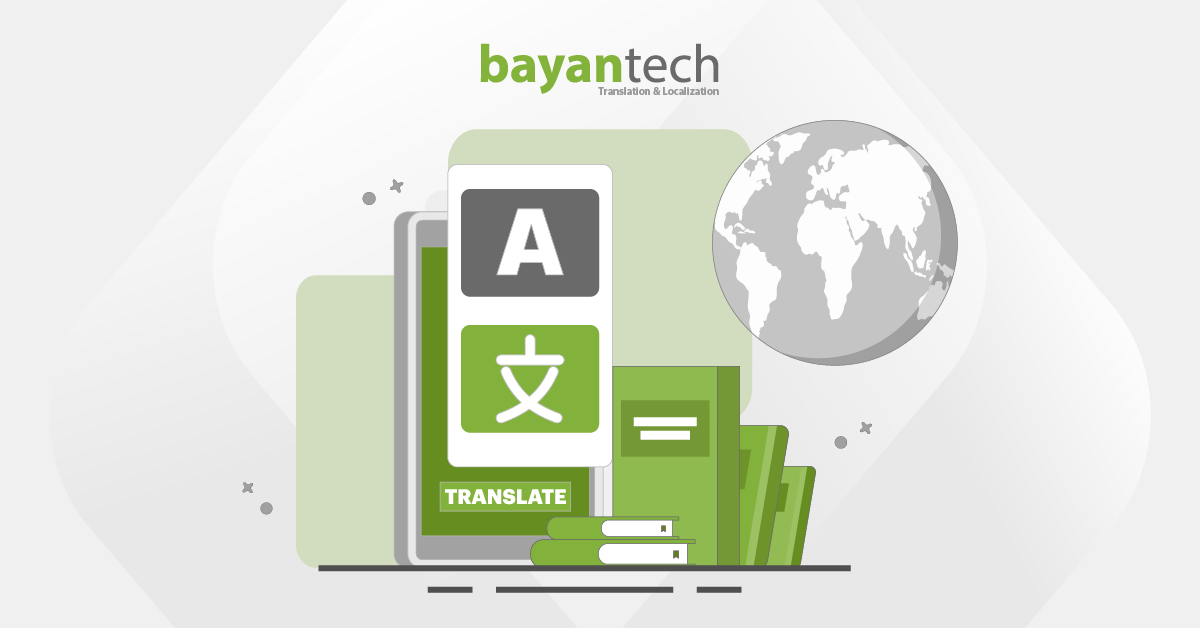
That’s the magic of translation, and it continues to connect cultures and languages worldwide, now faster and on a much larger scale.
If you’re interested in the history of translation and how it evolved to reach its modern-day form, keep on reading; we’re taking you on a history tour!
Why Is Translation a Big Deal?
You might think of translation as just another profession. However, translation was, and still is, essential in every aspect of our lives.
It has always been a key factor in trade, spreading religion, and communication in the diplomatic world.
This applies to both historical trade and today’s global eCommerce, which is why international businesses heavily rely on translation services to operate in markets far from home.
Without translation, we wouldn’t be able to learn about the rich cultures of Greece, Japan, China, India, Egypt, Brazil, and so many more. In a globalized world where access to information is the norm, translation remains a vital part of that access.
Even though automated translation is now as simple as clicking a “See Translation” button, professional translation continues to thrive, handling every technical text from medical research papers to UX/UI and software localization with precision and accuracy.
So, let’s see how it all started and what translation looks like now in 2025.
Translation in Ancient Civilizations
The Septuagint: A Greek Bible for the Diaspora
Around 280–250 BCE, Jewish scholars in Alexandria translated the Hebrew Bible into Greek, known as the Septuagint. This made sacred texts accessible to Jews living in the Hellenistic world.
St. Jerome Making the Bible Common
In the late 4th century CE, St. Jerome translated the Bible into Latin, creating the Vulgate. Commissioned by Pope Damasus I, Jerome’s work became the standard Bible for the Western Church and remained influential for centuries.
Buddhist Monks and Buddhist Wisdom Across Asia
Buddhist monks played a big role in translating texts across Asia. From Sanskrit to Chinese, and later to Tibetan and other languages, their efforts helped spread Buddhist teachings throughout the continent.
Greek and Roman Literary Translations (Foundations of Western Literature)
Ancient Greek and Roman scholars translated works across cultures, laying the groundwork for Western literature. For example, Roman poet Virgil’s Aeneid was heavily inspired by Homer’s Iliad and Odyssey, which were first translated into Latin and adapted for Roman audiences.

Discovery of the Rosetta Stone
In 1799, French soldiers uncovered the Rosetta Stone in the town of Rosetta (Rashid), Egypt. It features a decree from 196 BCE inscribed in three scripts: Greek, Egyptian Demotic, and Egyptian hieroglyphs. Its trilingual nature provided the essential clue for deciphering ancient Egyptian writing.
Champollion Deciphers Hieroglyphs
On September 27, 1822, French philologist Jean-François Champollion announced his successful decipherment of the Rosetta Stone’s hieroglyphic text. Using his knowledge of Coptic and systematic comparisons with Greek terms, Champollion unlocked the ability to read ancient Egyptian texts, opening a window into the civilization’s rich history.
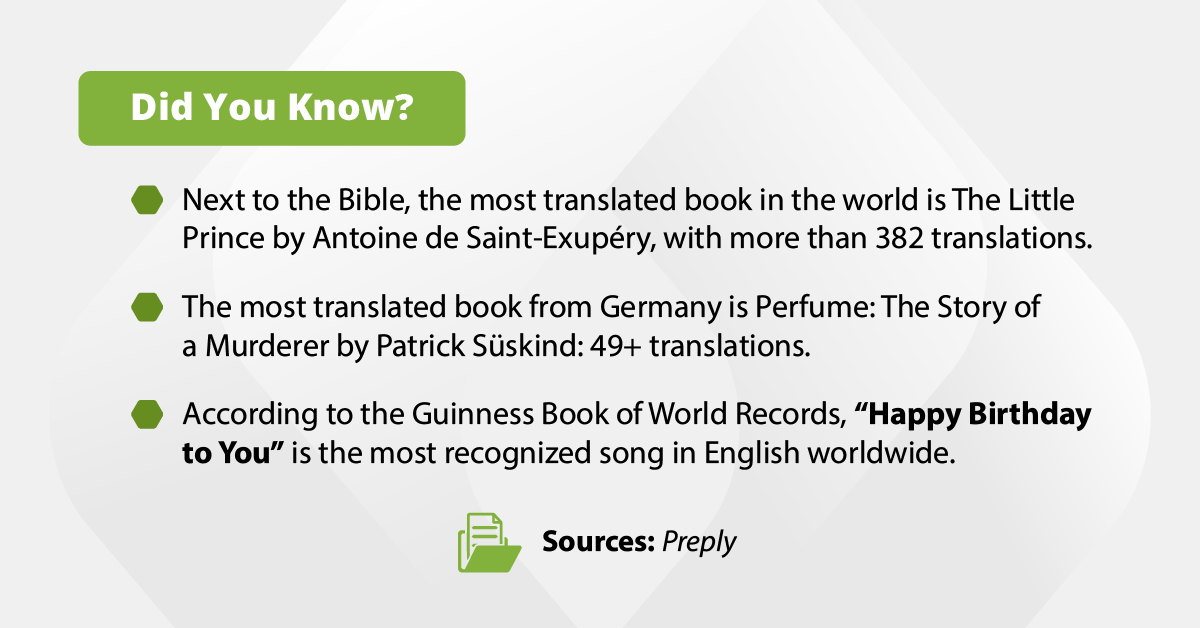
How Translation Evolved
Jerome’s Vulgate: The Foundation of Christian Europe
In the 4th century, St. Jerome’s Latin translation of the Bible, the Vulgate, became the cornerstone of Christian Europe. His work made religious texts accessible to a wider audience and helped standardize the Christian faith across different regions. The Vulgate became the dominant biblical text in the Western Christian world for over a thousand years.
Medieval Period: Preservation of Classical Works into Arabic & Back into Latin
During the medieval period, scholars in the Islamic world translated classical Greek and Roman texts into Arabic. This preserved invaluable knowledge, from philosophy to medicine, which was later translated back into Latin during the Renaissance, reintroducing this wealth of information to Europe. This exchange would later fuel the Renaissance era.
Geoffrey Chaucer and Early English Translations
Geoffrey Chaucer, best known for The Canterbury Tales, was also one of the early English translators of significant works. His translations from French and Latin helped shape the English literary tradition, making European intellectual works more accessible to English-speaking audiences.
Printing Press: Mass Production of Translations
The invention of the printing press by Johannes Gutenberg in the mid-15th century revolutionized translation. Books could now be printed in mass quantities, making translated works more widely available and affordable. This not only accelerated the spread of knowledge across Europe but also laid the foundation for the modern publishing industry.
17th Century: Professionalization of Translators
By the 17th century, the role of the translator began to professionalize. As trade, diplomacy, and academic exchanges grew, the demand for skilled translators increased. The profession became more structured, with translators beginning to gain recognition for their expertise, leading to the creation of formal education and training in translation.
20th Century: Global Demand + Linguistic Standards
The 20th century saw an explosion in global communication, trade, and migration, resulting in a huge demand for translation services. The rise of international organizations, business globalization, and mass media created a need for high-quality translations. This period also saw the establishment of linguistic standards and certifications, with organizations like ISO 9001 setting guidelines for professional translation.
Modern Translation
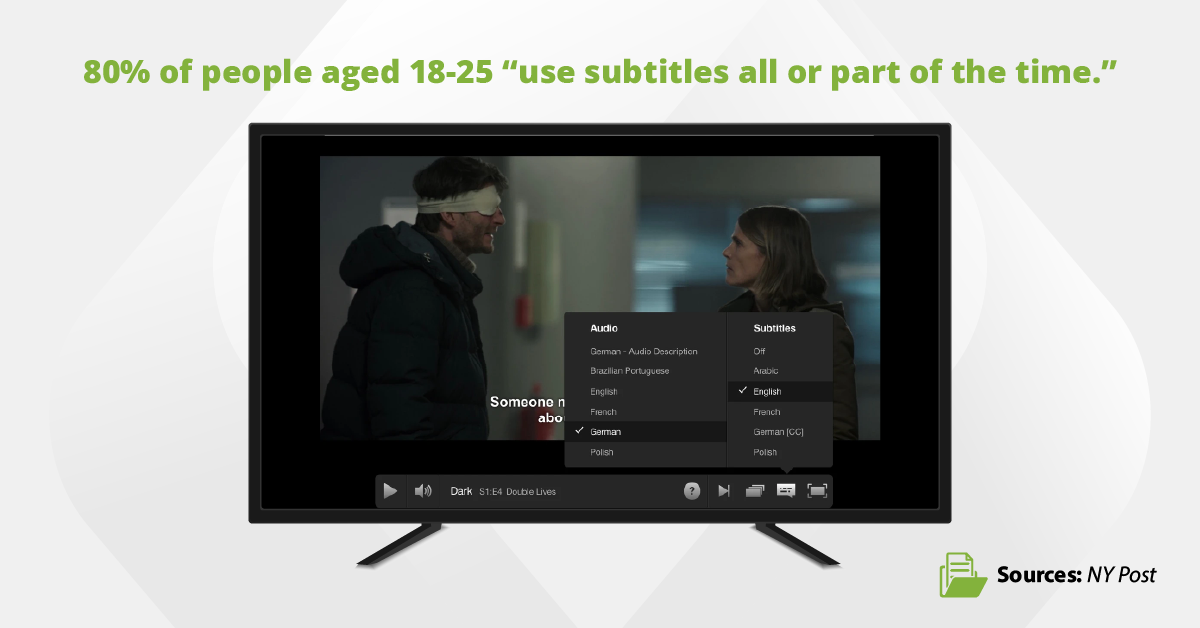
TOV: 80% of people aged 18-25 “use subtitles all or part of the time.”
Source: NY Post
Translation today looks very different from the traditional word-for-word approach. It has evolved into more creative and specialized forms, including localization, subtitling, transcreation, machine translation post-editing (MTPE), AI translation, and more.
While automated translation is handy for everyday tasks, like quick searches, Instagram captions in foreign languages, or ordering coffee in Paris when all you know in French is “Oui,” it’s not reliable for official or business contexts.
That’s why human translation remains at the core of every professional process, preserving the cultural nuances that machines easily miss.
Why Businesses Need Professional Translation Today
In today’s interconnected world, businesses are increasingly turning to professional translation services to broaden their global reach.
From document translation services for legal compliance to technical documents, businesses depend on accurate translations to navigate different goals and needs.
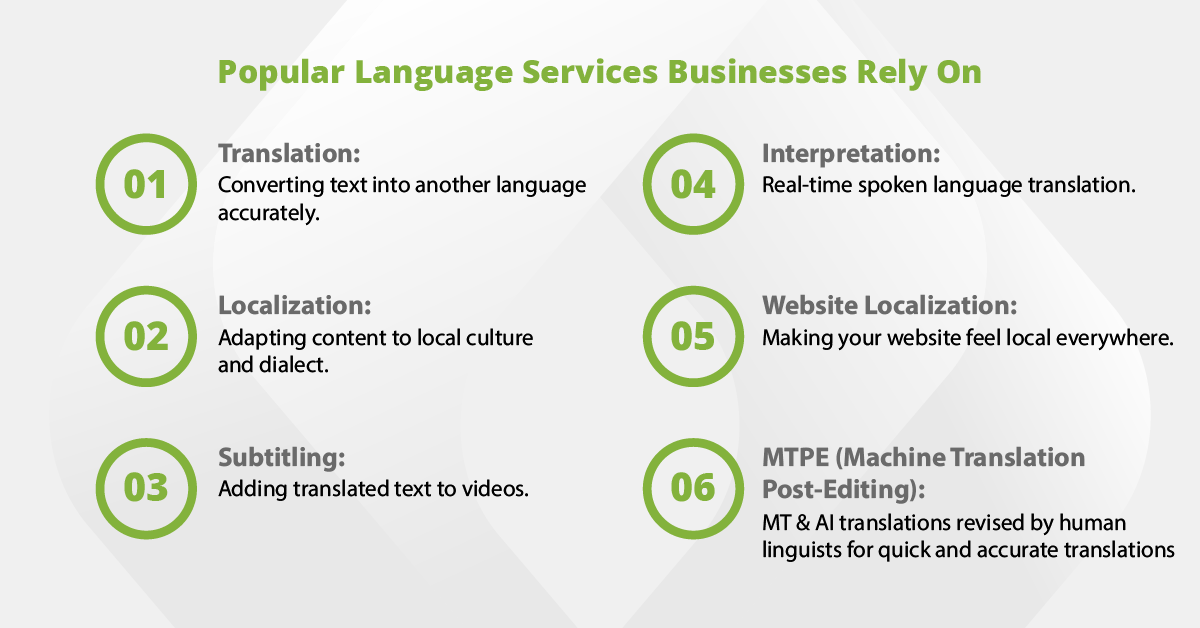
Today’s translation process follows a meticulous model: Translate, Edit, Proofread (TEP). This ensures that every translation is not only linguistically accurate but also culturally relevant and sensitive to the target audience.
It’s this level of care and attention to detail that distinguishes human translation from machine translation.
In a world where businesses are competing for attention across borders, translation isn’t just a service; it’s an essential tool for growth and credibility.
Ready to Write the Next Chapter in Your Global Story?
Whether you need professional translation for niche technical texts or for eCommerce and marketing creative content, we provide a full range of translation and localization services.
bayantech brings 20+ years of experience in the translation field, backed by ISO 9001:2015 and ISO 17100:2015 certifications, and a team of skilled native translators.
Our clients trust us with large-scale projects, and you can too. With ISO-certified translation and native linguists assigned to your project, we ensure your content meets your goals with precision.
Speak to your international audience with confidence. Contact us today!