
Do you deal with multiple translators to launch your content globally? Or you find publishing content in multiple languages a complete hassle?
Find out how translation project management solves all these problems.
For product, marketing, legal, and CX teams, operating internationally creates a need for good translation in more than one language.
This comes with tight deadlines, meeting goals, managing compliance risks, and more. This is where it gets overwhelming and often results in bad translations.
In this guide, find out more about translation project management and why it’s crucial.
What Is Translation Project Management?
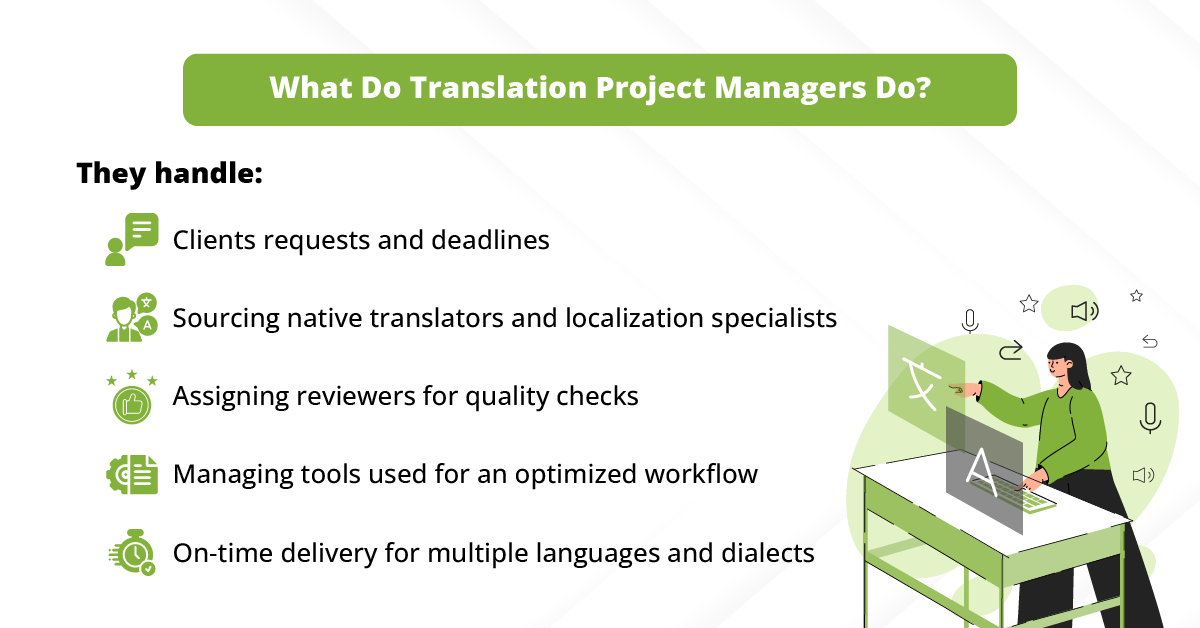
Translation project management is the process of organizing the people, files, quality checks, and deadlines behind your multilingual content, so translation gets delivered correctly and on time.
It’s similar to general project management, but with one key difference: you’re not managing one deliverable. You’re managing multiple versions of the same content across languages, while keeping terminology, tone, formatting, and approvals consistent.
Teams are distributed across time zones. Subject-matter expertise varies by language. Review loops can expand fast, especially when multiple stakeholders weigh in.
Translation vs Localization: Where Localization Project Management Fits
Localization goes further; it ensures the content fits the market and the product reality it will live in.
That includes format, UI constraints, legal and regulatory requirements, and whether the message sounds on-brand in the target culture.
This is where many teams get stuck. Launches can still break because of real-world constraints:
- UI length limits (buttons, menus, error messages, mobile screens)
- Design and layout dependencies (DTP files, screenshots, subtitles, on-screen text)
- Regulated content and disclaimers (medical, legal, finance)
- Brand tone and cultural expectations (what feels “confident” vs “rude,” what reads as trustworthy)
That’s why localization project management matters. It connects translation to the full delivery context, coordinating files, stakeholders, reviews, and QA, so every language performs the way it should.
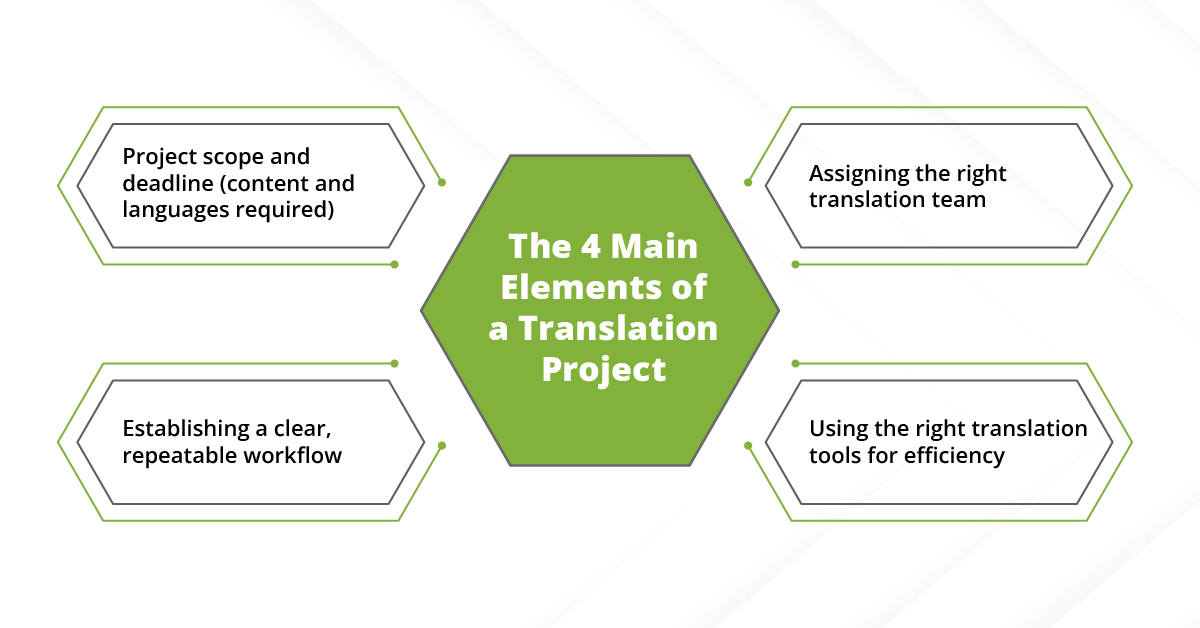
Here are the four core pieces that make a successful translation project:
1) Scope and Project Timeline
Translation project management protects timelines by defining scope clearly upfront and making changes visible when they happen.
What good scope and timeline planning includes:
- What content is in and out
- Languages and markets
- Launch date and internal deadlines
- A change process
2) Assigning a Translation Team
Translation is collaborative by nature, and that’s exactly why it breaks when roles aren’t clear.
A clean translation project setup looks like this:
- Requester/content owner: defines what’s needed and why it matters
- Project manager: coordinates steps, timelines, and handoffs
- Translator: creates the first draft in the target language
- Editor/reviewer: checks meaning, terminology, and clarity
- Final approver: gives the “publish-ready” sign-off (one person per language or market)
3) A Smooth, Repeatable Process
Without a repeatable workflow, every project starts from scratch. A strong workflow typically follows a simple sequence:
- Kickoff and prep: Confirm languages, deadlines, and reference materials
- Translation and review: Translate, then review for accuracy and consistency.
- Client review (if needed): Business stakeholders review what matters (claims, product terms, legal wording), and feedback gets resolved into final decisions.
- Final checks and delivery: Ensure formatting is correct, content matches the right version, and files are ready to publish.
4) Translation Tools
Common tool categories you’ll see in well-run translation projects:
- Translation tools (CAT tools): help maintain consistency and reuse approved translations
- Quality checks: flag missing numbers, inconsistent terminology, formatting issues, and other common risks
- File handling support: ensures you get publish-ready output for web, UI, documentation, or design files
- Centralized feedback: reduces scattered comments across emails and documents
Translation memory (TM) is also used as a reusable library of approved translations, so you’re not translating the same phrases from scratch every time. It supports faster updates and consistent terminology.
Machine translation is also used, especially for low-risk, high-volume content (think internal docs or rough drafts). But it’s risky for customer-facing, brand, or compliance content.
Mini Real-World Example: Launching in 6 Languages without Chaos
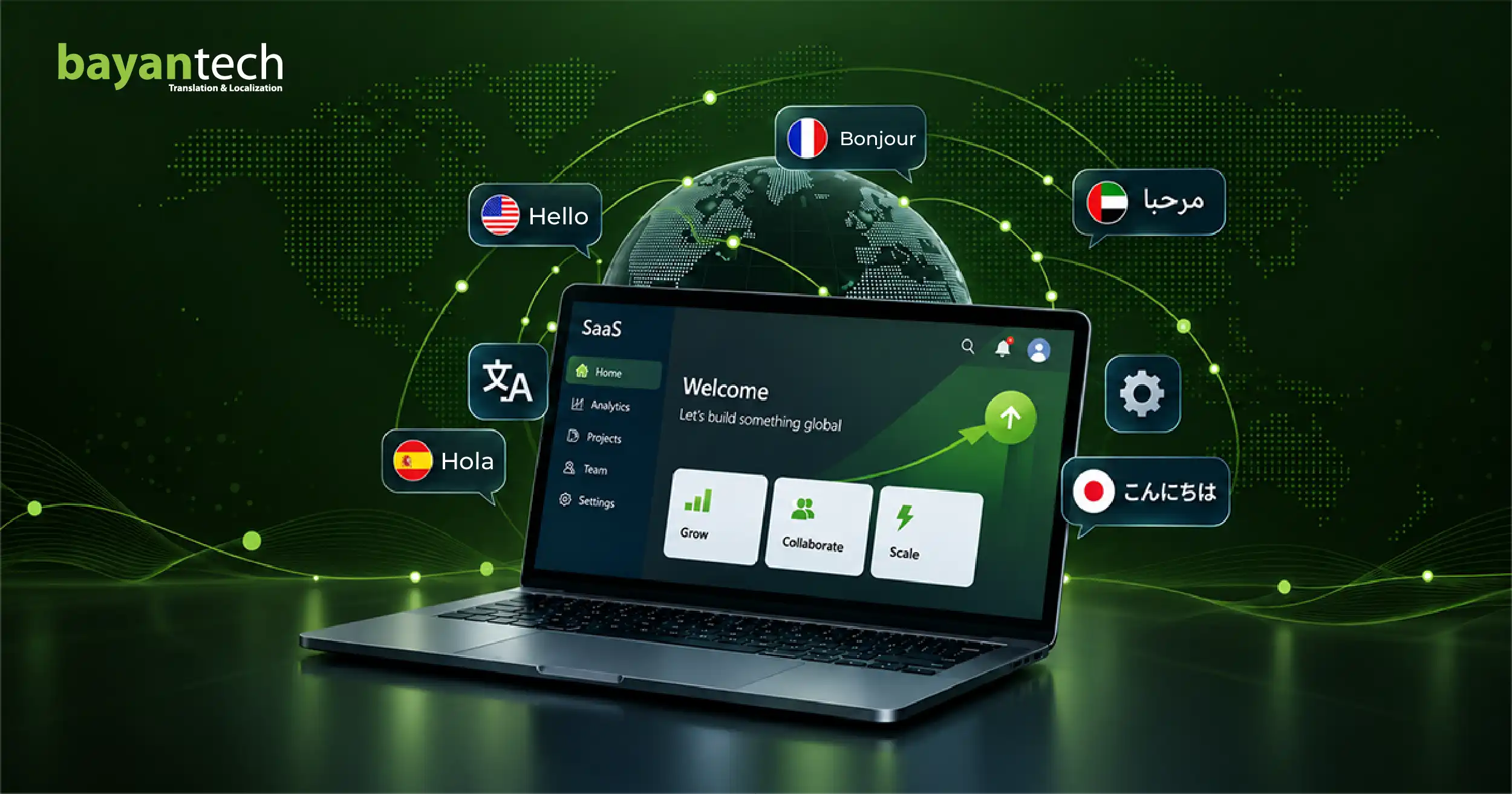
Picture this: a SaaS team is shipping a new feature on a fixed date. No delays allowed. But the release has three different content types (UI strings, Help Center articles, and release notes), and it needs to go out in 6 languages.
Here’s how a PM keeps it clean (and on time):
- Step 1: Split by content type
UI strings go into one stream, long-form content (Help Center + release notes) into another.
- Step 2: Run workflows in parallel
UI starts immediately, so it can be tested early, while docs move in a steady track with review time built in.
- Step 3: Use one shared glossary
Key product terms (feature names, buttons, settings) are locked in once, so the app, Help Center, and notes all say the same thing in every language.
- Step 4: Review what matters most
UI gets a quick linguistic check and an in-context review (because one wrong word can break UX). Docs get a smoother readability pass.
- Step 5: Final sync before ship
Everything is delivered together, so the feature launch isn’t “live in the app” but “missing in support content.”
Result: the UI and Help Center ship in sync, terminology stays consistent across all 6 languages, and the release date stays safe without anyone chasing translators at midnight.
What You Gain from Better Translation Project Management
Translation project management means fewer delays, fewer escalations, and fewer costly fixes right before launch, especially when you’re managing multiple languages at once.
Here are the main benefits of translation project management:
- Faster launches: clear scope, clear owners, and fewer last-minute surprises keep every language moving on the same timeline.
- Fewer brand mistakes: consistent terminology, tone, and reviews reduce awkward phrasing, mistranslated claims, and market misfires.
- Less internal time chasing approvals: instead of chasing files in email threads, teams follow a visible workflow with clear sign-off points.
- Higher consistency across languages: product names, key messages, and compliance wording stay aligned across markets—release after release.
Common objections (and what they really cost)
“We can do it in spreadsheets.”
You can—until volume grows. Spreadsheets don’t prevent version confusion, late additions, or scattered feedback. They track chaos; they don’t reduce it.
“We don’t have time to set a process.”
That usually means you’re already paying the cost of chaos. The bigger the launch, the more that cost compounds.
If your team spends 6 hours a week chasing files, comments, and approvals, that’s not “free.” It’s hidden cost—and it grows with every new market. A better system gives that time back and makes delivery predictable, so localization supports growth instead of slowing it down.
Get Full Support on Your Next Translation Project with bayantech
If you’re preparing for a multi-language rollout or having trouble with recurrent delays and rework, it’s time to get translation project management services.
At bayantech, we handle multiple-language translation projects to even the most complex ones.
Clients start by sharing their content types, target languages, and launch dates, and the rest is handled with efficiency, meeting the ISO translation management standards.
Our goal is simple: help your team deliver every language on schedule, with consistent quality release after release.
Get a free quote now and start your project!