
Culturalization is the work you do before translating words, shaping the product and adapting UX so they fit local norms, not just the language.
If you’re leading product, marketing, or localization for a multi-country launch, this is your culturalization playbook.
Start with target-audience cultural profiling: who buys, what offends, and which references actually land in that market.
Go deeper than personas; capture values and taboos, holiday cues, color and symbol meanings, ratings and content constraints, reading patterns, and real purchase drivers.
Culturalization goes beyond language, and it starts early in the cycle, not after QA. Interested in digging deeper?
Keep reading to see how a culturalization strategy can double revenue in international markets, with real-life examples from brands that got it right.
Implementing Culturalization: De-Risk Your Launch
Culturalization isn’t a one-off review; it’s a standing checkpoint for every market. Build a simple cultural risk assessment into your release gates. Here’s what to do:
- For age-rated content, align early with ESRB/PEGI requirements; for apps and campaigns, factor in local ad standards and privacy norms.
- Test in-market before you scale. Run quick focus groups, publish pilot pages or early game levels, and A/B your store listings to catch signals fast.
- Keep the tooling plain: automated screeners surface risky words and images, machine-learning sentiment analysis scans local chatter for early warnings, and a predictive cultural-fit score helps you prioritize fixes.
Real missteps are usually avoidable. In the UK, red poppies signal war remembrance—not holiday cheer—so a “festive” poppy campaign would backfire.
And a world map that shaded a disputed border implies a political position, prompting backlash and takedowns. Both would have been caught in a 48-hour local review.
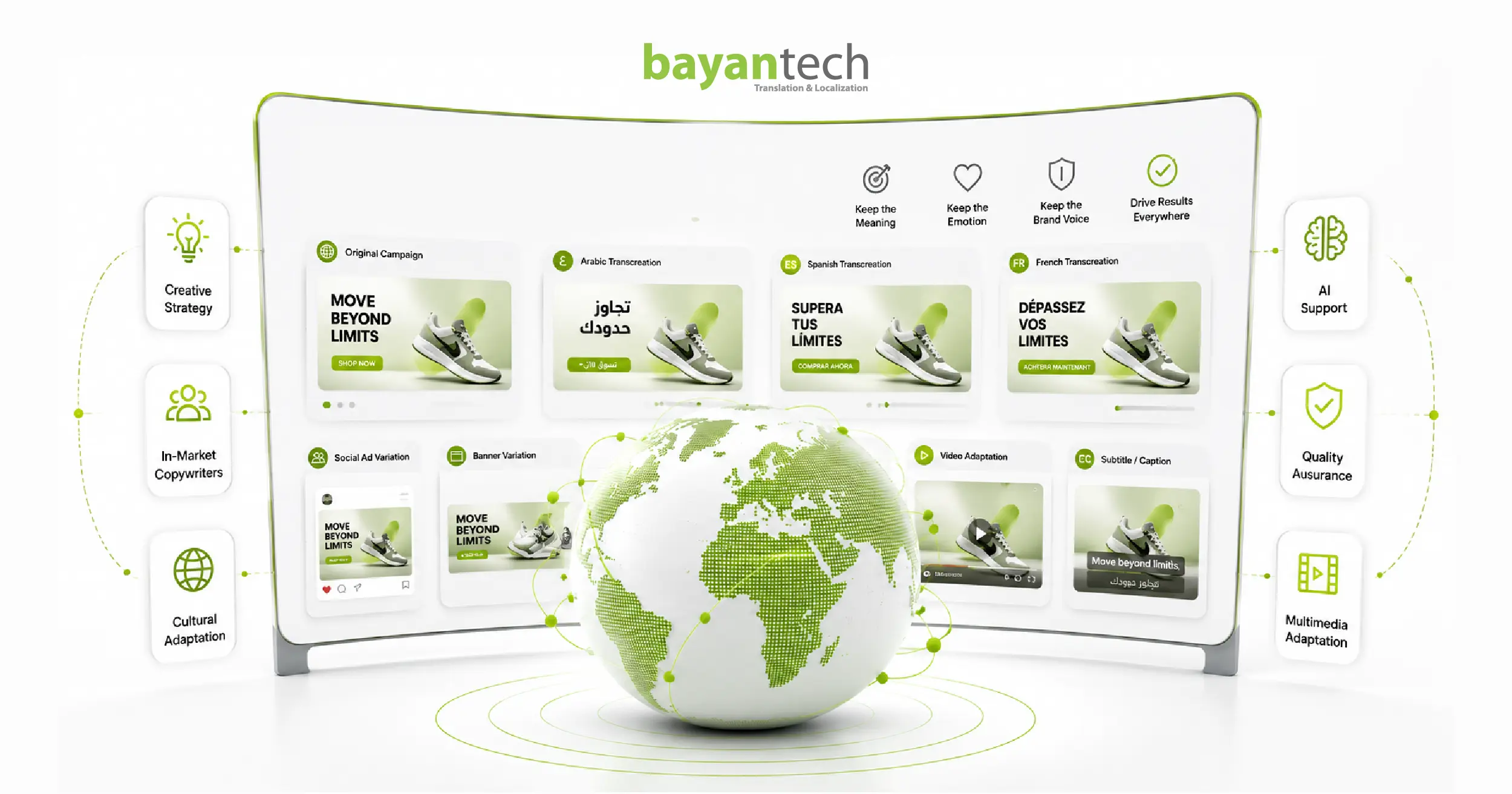
That’s how Transcreation Services turn intent into culturally sound lines.
A Step-by-Step Culturalization Framework You Can Reuse
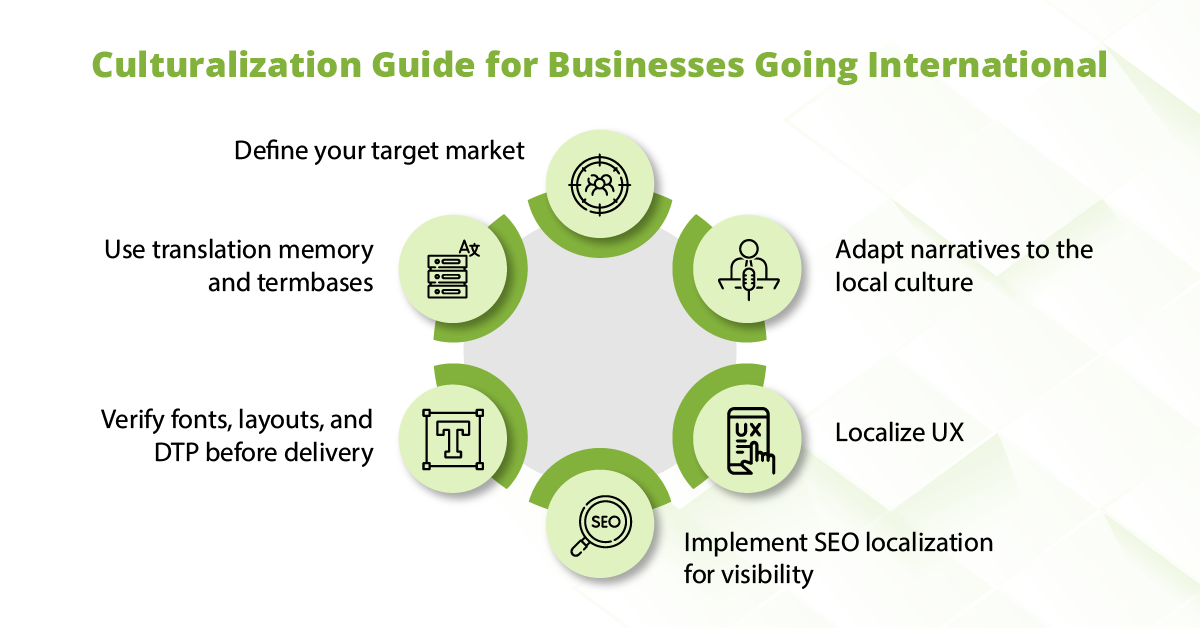
Now, let’s uncover steps to implement culturalization and cover all bases successfully.
1) Discovery & Alignment Align early with product, marketing, legal, and localization.
- Define target markets and audience segments.
- Capture must-keep brand elements and must-avoid topics.
- Set success metrics tied to adoption, retention, star ratings, CSAT, and organic visibility
- Decide review cadence: per sprint, per milestone, and pre-release.
2) Narrative & Asset Review Pressure-test story, visuals, and references.
- Reframe or remove lore and historical cues that can clash locally.
- Check names, gestures, colors, numbers, and symbols for unintended meanings.
- Swap metaphors/idioms for local equivalents.
- Document LLM-assisted transcreation rules: tone, taboo list, allowable creativity, examples of “do” and “don’t.”
3) UX & Product Fit Make interactions feel “native.”
- Formats: dates, numbers, currency, units, punctuation.
- Visuals: color harmony, iconography, imagery norms, modesty guidelines.
- Layout: reading patterns (LTR/RTL), text expansion, line breaks, keyboard/input choices.
- Voice-over: cast by age, accent, and register that match local expectations.
- Entertainment/games: map cultural beats to ratings guidance and storefront rules.
4) Search & Storefront Readiness Be discoverable in the way locals actually search.
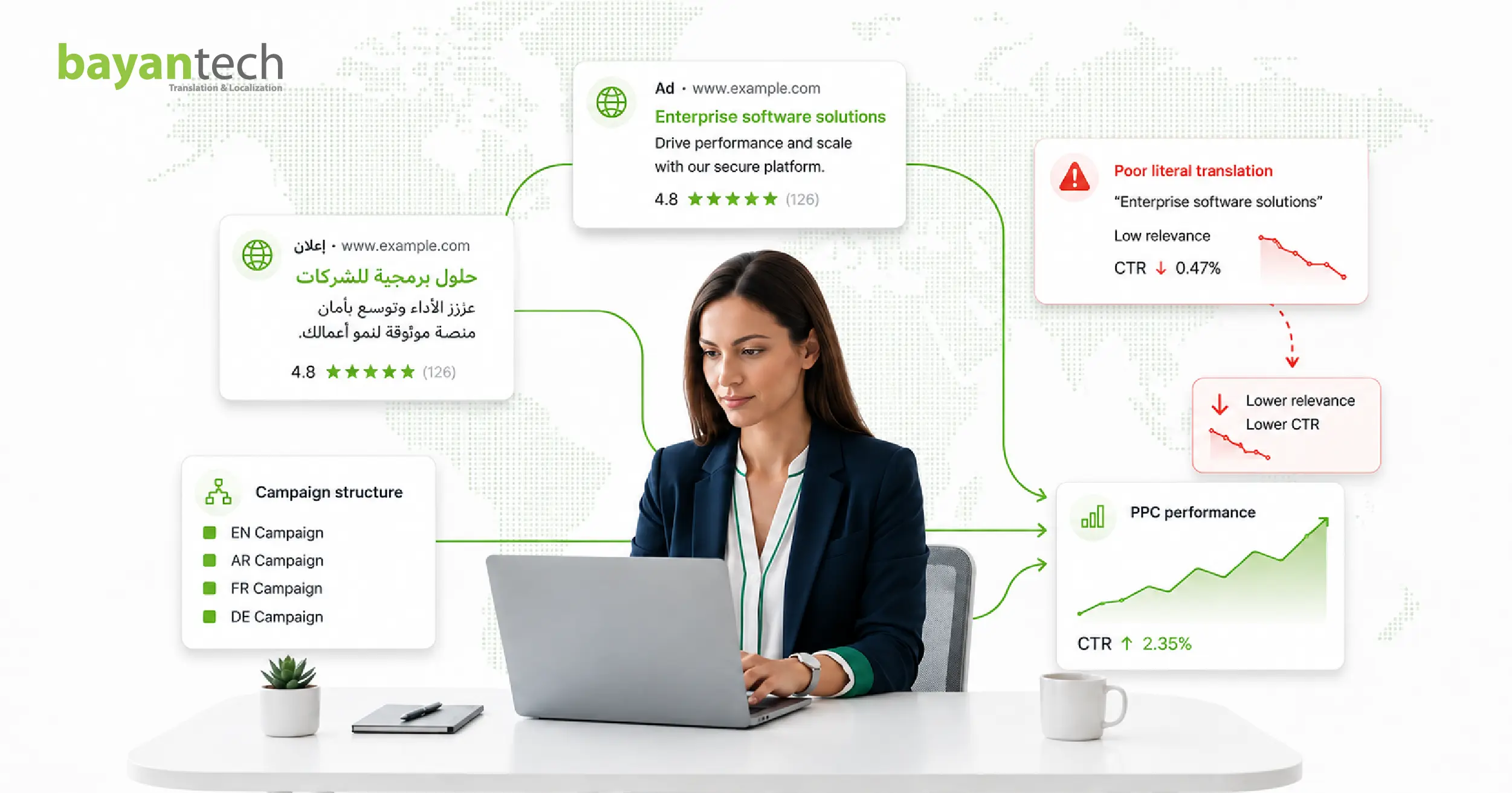
- Run locally led keyword research; avoid literal translations no one uses.
- Map queries to journey stages (problem → compare → buy).
- Optimize regional SERPs with FAQs, snippets, and titles that mirror local phrasing.
- Implement hreflang for variants that differ by culture, not just language.
For web rollouts, Website Localization team aligns intent to pages and hreflang.
5) Terminology & Automation Lock consistency without slowing teams.
- Align termbases per locale; flag restricted terms.
- Reuse approved phrasing via translation memory, by market.
- Ensure CAT tools show screenshots and string context to reviewers.
6) Engineering & Delivery Ship safely, then scale.
- Verify fonts
- Budget for expansion/shrinkage; protect UI with flexible containers.
- Localize store imagery, age labels (ESRB/PEGI), and disclaimers.
- Keep a one-page market checklist for future releases.
For trailers, training, or VO, Multimedia Localization Services cover script, casting, and captions. For titles, Game Localization Services include in-market cultural testing pre-release.
What Culturalization Looks Like in Real Life
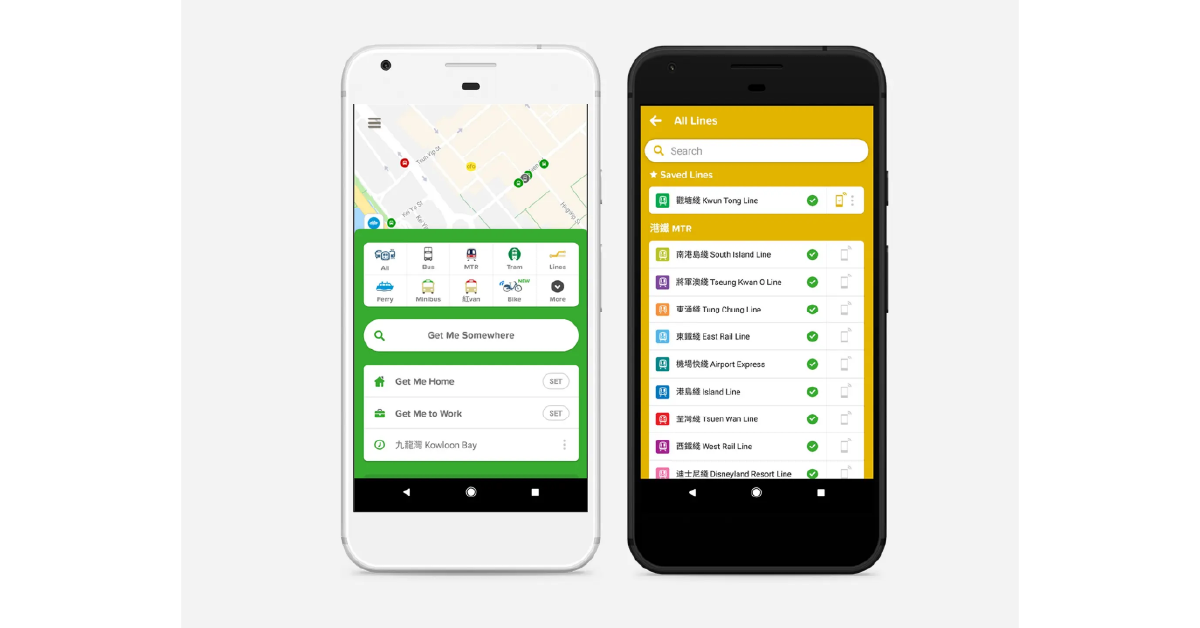
- Citymapper
The app Citymapper uses city-specific maps that use local motifs (colors, icons, historical nods—e.g., a Columbus cameo for Genoa) so the UI instantly feels “from here.” This way, they implement culturalization by making both the copy and design familiar.
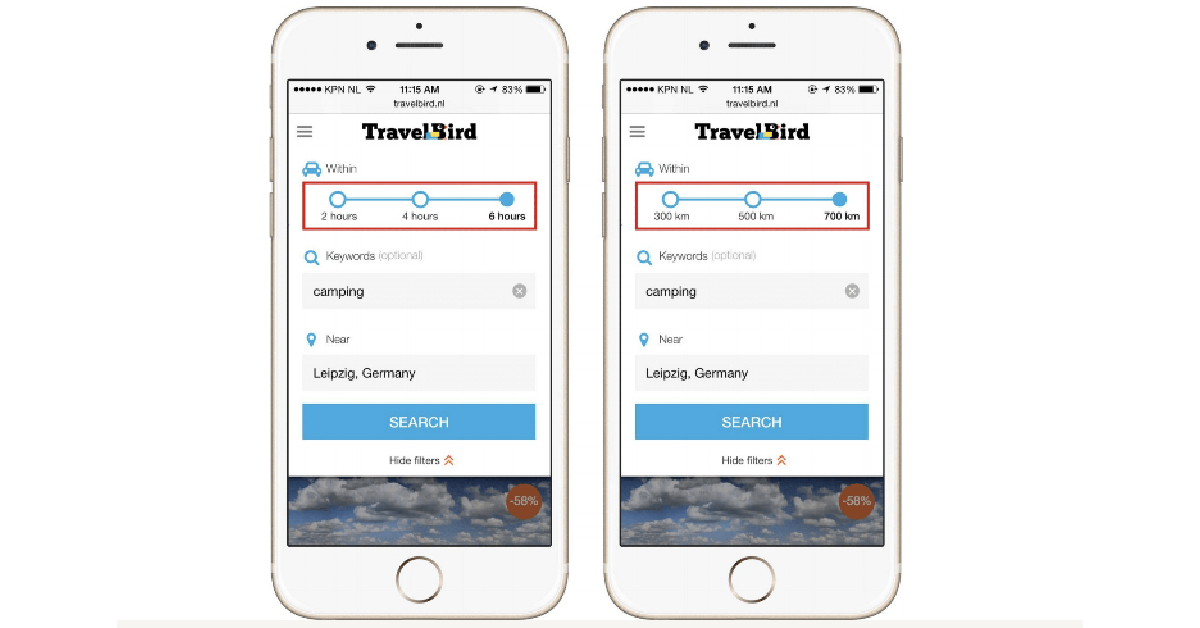
- TravelBird
In Germany, the app TravelBird switches trip distance from hours to kilometers to match expectations and improve feature uptake. This is the perfect example of localization and its importance in making a truly culturally relevant product.
- Homescapes
For its Chinese audience, the game Homescapes developed dedicated Lunar New Year content that aligned with local celebrations and traditions. This seasonal update not only increased player engagement but also strengthened cultural relevance.
Lesson: Incorporate local holidays and cultural moments into your live-ops calendar to keep content meaningful.

- Crash Bandicoot
Players engage more when the art style, characters, and environments feel culturally familiar.
Case in point: for Crash Bandicoot’s launch in Japan, Sony felt the U.S. character design wouldn’t land, so the team reworked Crash with manga/anime-inspired styling to better fit the market.

Ready to make culture a feature?
Share your target countries and leave localization and culturalization to us. bayantech delivers accurate, innovative language solutions in 120+ languages.
Our localization services have helped businesses connect with audiences abroad—and we can help yours, too.
Schedule a free consultation or explore our services to learn more.