
When expanding into the Middle East and North Africa (MENA) markets, companies often make the mistake of treating Arabic localization as just Arabic translation and localization. However, there’s much more involved in creating a seamless, user-friendly experience for Arabic-speaking audiences.
It’s not enough to translate copy – the entire website, app, or multimedia content must be tailored to fit the cultural, linguistic, and technical needs of Arabic users.
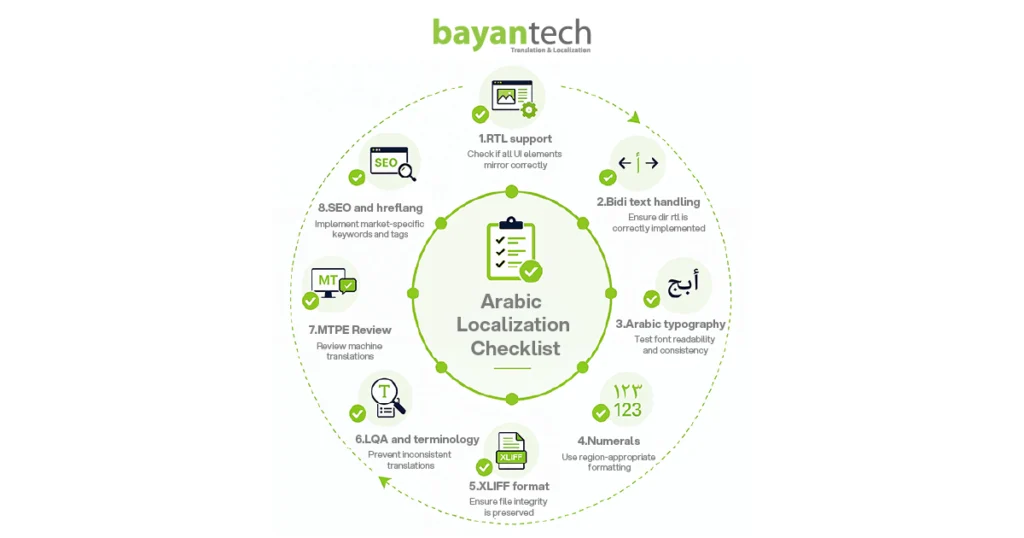
In this blog, we’ll break down the essential components of Arabic localization services, including RTL (right-to-left) support, UI localization Arabic, localization testing, Arabic SEO, and more.
These key elements can prevent costly mistakes and ensure that your Arabic content resonates with your audience.
The Problem: Arabic Localization Fails When It’s Treated as “Just Translation”
Many teams assume that translating content into Arabic is all they need to do for a successful launch in the region. But this approach often leads to confusing user experiences and missed opportunities.
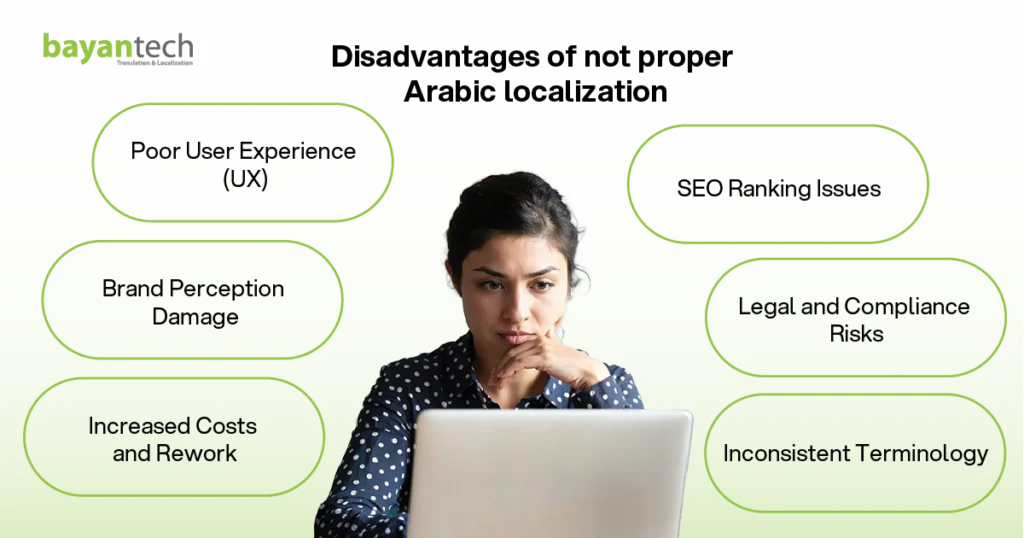
Common Issues:
- UI feels backwards: Arabic websites or apps may look like they’re “flipped” because Arabic is read from right to left (RTL), not left to right (LTR).
- Numbers and units look wrong: Inconsistent handling of Arabic numerals and units can create confusion, especially in contexts like pricing and dates.
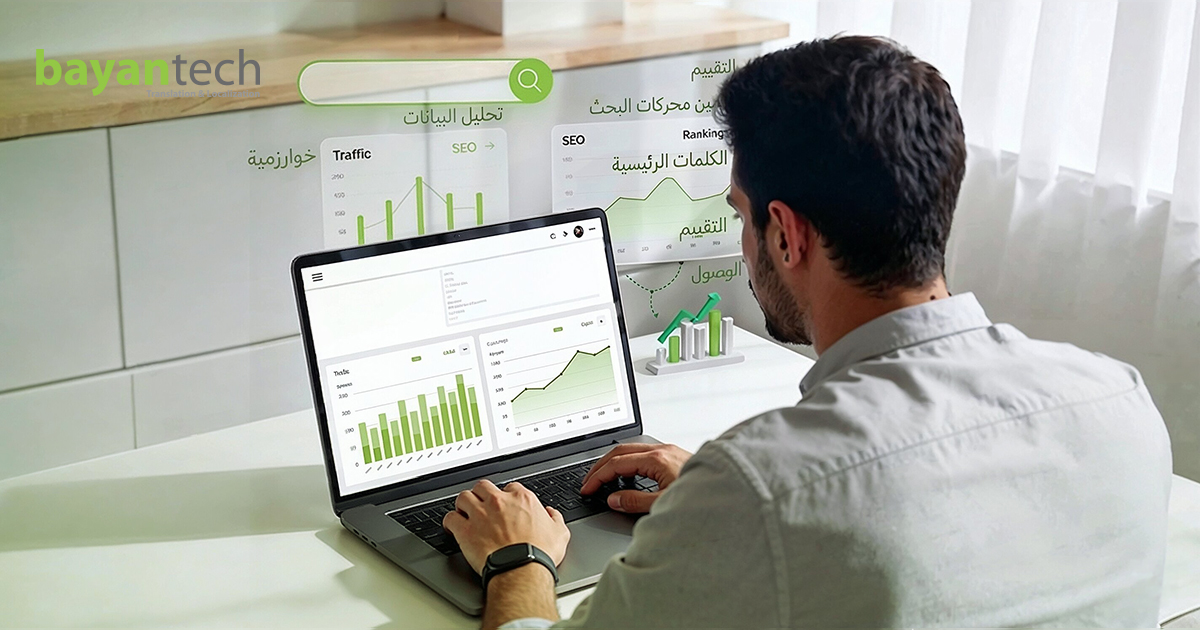
- SEO pages don’t rank: Without proper Arabic SEO adjustments and hreflang tags, your Arabic content may not appear in relevant searches.
Without a structured process, these issues go unnoticed until after the release – making rework and bug fixes expensive and time-consuming.
RTL Localization Isn’t a Simple Switch: What “Right to Left (RTL) Support” Actually Includes
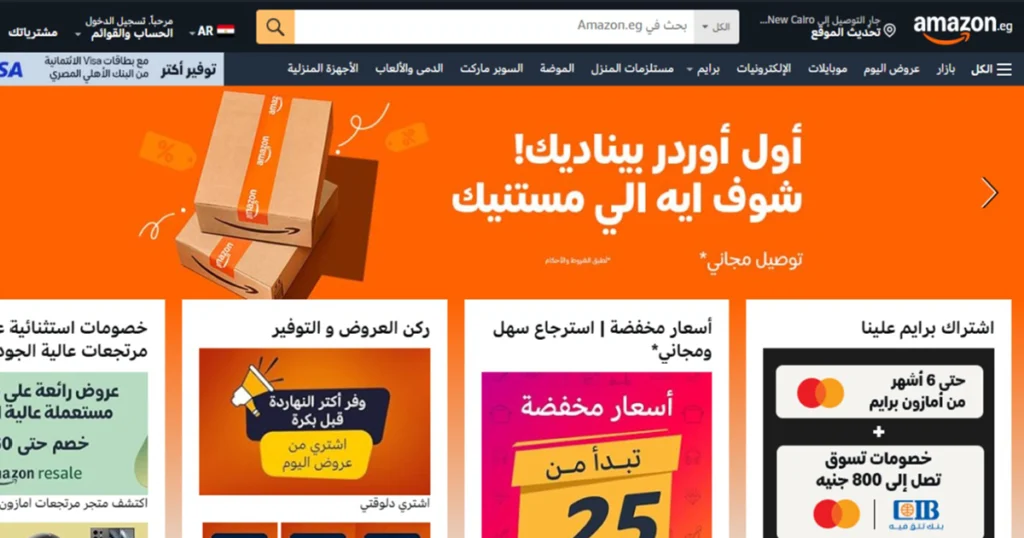
Simply adding an RTL language switch doesn’t mean your content is truly RTL-ready. Effective RTL localization involves mirroring layout patterns, adjusting content hierarchy, and ensuring smooth navigation in the Arabic interface.
Examples of Common RTL Challenges:
- Menus and navigation: The flow of menu items and “next” or “back” buttons must be reversed.
- Checkout forms: The layout needs adjustments for form fields, validation messages, and the sequence of text fields.
- Mixed English product codes: Product codes and names often appear in both Arabic and English, which requires careful handling to prevent confusion.
These issues can be easily avoided by using the proper tools and techniques to ensure RTL localization works as expected.
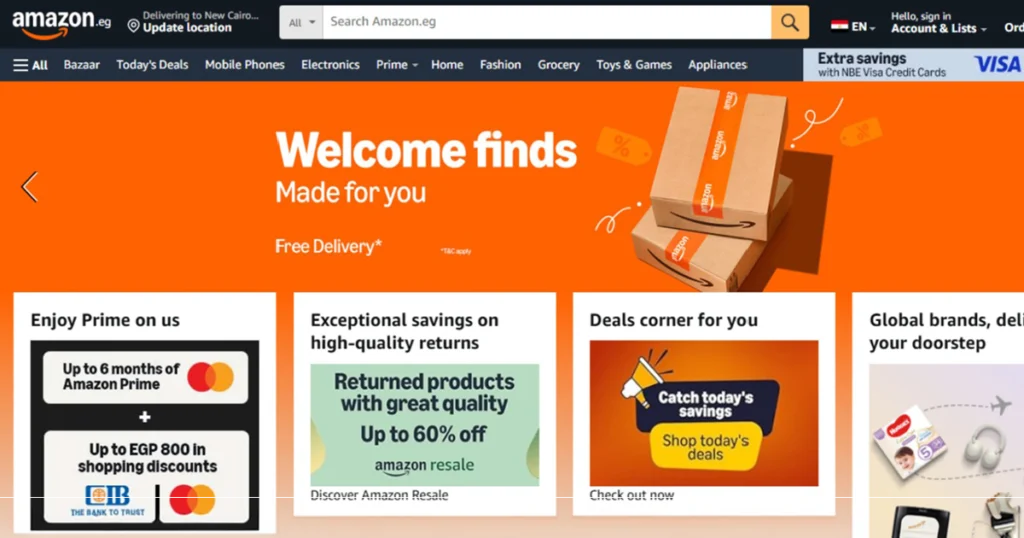
The Hidden Trap: Bidirectional Text (Bidi) Breaks UI Strings in Real Life
Bidirectional (bidi) text is when Arabic and Latin script or numbers appear in the same sentence. If not handled properly, this can cause UI strings to break or display in the wrong order.
For example, in a sentence like “Order #12345 for the product”:
- The Arabic part (“طلب #12345”) will display in reverse order without proper dir rtl handling, resulting in a scrambled UI.
Proper configuration, like setting dir rtl for bidirectional text, ensures that mixed content appears in the correct order and context.
What This Costs: Rework, Broken UX, and Launch Delays
The lack of localization testing and linguistic quality assurance (LQA) can lead to a never-ending loop of fixes post-launch. Here’s what typically happens:
- Translate → push live → discover RTL or bidi issues → redesign → re-translate → launch again.
- LQA checks come too late, and terminology consistency suffers, making the entire product feel disjointed.
- SEO pages fail to rank correctly in Arabic markets because localization isn’t properly integrated with search intent.
This rework can significantly delay your time to market and impact your brand’s reputation.
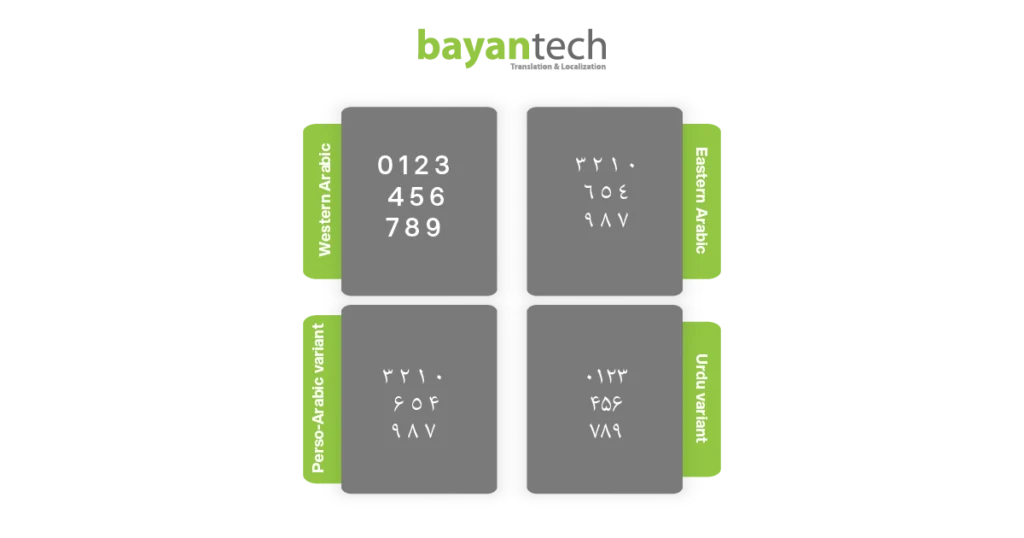
Arabic Typography and Numerals: Small Details That Quietly Kill Trust
Arabic typography and numeral formatting are often overlooked but play a crucial role in user trust. Inaccurate fonts, poor spacing, or inconsistent numeral formatting can make your content look unprofessional, leading to disengagement.
For instance, Arabic numerals differ from Western numerals in some regions, and even within RTL contexts, numbers must be handled correctly in Arabic UI localization. When pricing or dates are formatted incorrectly, users are more likely to abandon the process altogether.
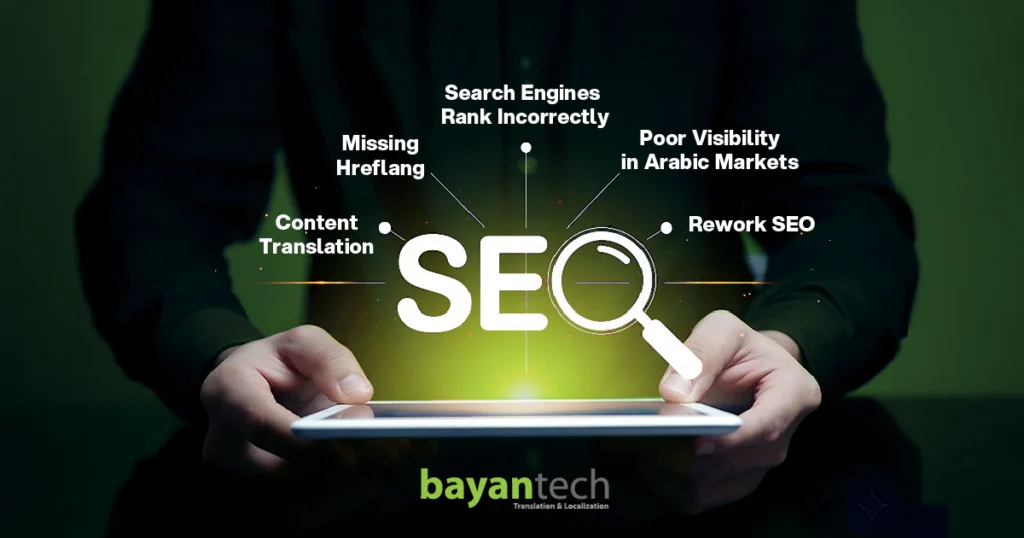
SEO Pain: Arabic SEO Fails When You Skip Market Keywords and Hreflang Arabic
Arabic SEO isn’t simply about translating English keywords into Arabic. It’s about understanding search intent in Arabic-speaking markets and adjusting your content accordingly.
Common SEO Mistakes:
- Misusing hreflang tags: Without properly linking Arabic pages to their corresponding countries, search engines may show the wrong content to the wrong audience.
- Ignoring market-specific queries: Translated keywords may not align with how Arabic speakers search in different regions.
To ensure your content reaches the right audience, use hreflang arabic to tell search engines which Arabic version of your site to show based on the user’s location.
The Solution: A Practical Arabic Localization Workflow
To effectively localize your content for Arabic audiences, follow a structured Arabic localization process. Here’s a step-by-step breakdown:
Step 1: Prepare Content for UI Localization Arabic
Before Arabic UI translation, ensure you have context screenshots, glossary for feature names, and clear rules for placeholders. This avoids confusion and maintains consistency across screens.
For more complex projects like apps, App Localization Services ensure the UI elements work seamlessly across devices, providing a consistent user experience.
Step 2: RTL Localization Setup
Setting the dir rtl attribute correctly is the foundation of RTL localization. You need to mirror layout patterns, adjust content flow, and verify bidirectional text (bidi) compatibility.
Step 3: Typography + Arabic Numeral Formatting Rules
Choose fonts that render well in Arabic, use appropriate line heights, and apply Arabic numeral formatting for pricing, dates, and totals.
Step 4: Localization File Formats: Use XLIFF When Possible
Use XLIFF (XML Localization Interchange File Format) for the smooth exchange of localization content between systems. This ensures that formatting and placeholders are maintained, preventing issues after content is transferred.
Step 5: Quality Gates: Linguistic Quality Assurance (LQA) + Terminology Management
LQA ensures consistent quality by reviewing language accuracy. Pair it with terminology management to prevent product terms from drifting across your content.
Step 6: Arabic Machine Translation and MTPE
For large-scale projects, Arabic machine translation can speed up the process, but it requires MTPE (machine translation post-editing) to ensure the quality and accuracy of translations.
Step 7: Localization Testing: What to Test Before You Launch
Test key components like RTL navigation flows, form field validation, and mixed Arabic/English strings to ensure everything functions correctly across devices.
Step 8: Arabic Subtitles and Arabic Voice Over
For Multimedia Localization Services, ensure Arabic subtitles are readable and timed properly. Arabic voice-over needs to maintain a consistent tone, pronunciation, and pacing to resonate with your target audience.
Step 9: Arabic SEO Setup: Content + Hreflang Arabic
Incorporate Arabic SEO by using market-specific queries and implementing hreflang tags to ensure your Arabic pages appear correctly in search results.
Request an Arabic Localization Readiness Audit
Ready to expand into Arabic-speaking markets? Request a readiness audit that reviews your content for RTL support, localization testing, and Arabic SEO to ensure a smooth launch.
At bayantech, we specialize in providing end-to-end Arabic localization services, including Website Localization services, and Software Localization.
With our expertise, you can ensure your content is fully optimized for Arabic-speaking audiences, allowing you to scale seamlessly across MENA and beyond. Contact us today to learn how we can support your Arabic localization needs and make your launch a success.