

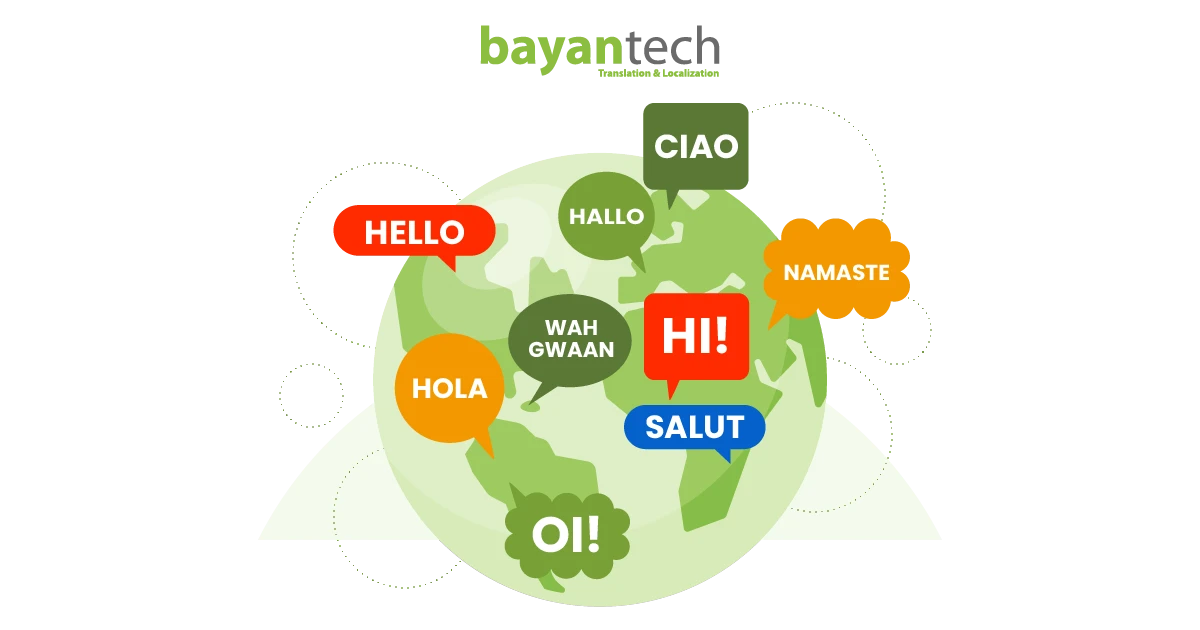
Did you know that two pieces of content can say the same thing, yet only one actually resonates?
That’s the difference between translation and content localization. Translation converts your words from one language to another. Content localization goes further, adapting your message, tone, visuals, and cultural cues so they feel natural and relevant in every target market.
When brands rely on one type of content for international audiences, they risk sounding generic or even insensitive.
The result is low engagement, weak brand trust, and missed opportunities in key global audiences.
Localized messaging, on the other hand, shows customers you understand their way of communicating. That’s what drives higher trust and better conversion rates.
Translating text is not enough; brands must adapt tone, visuals, and cultural references for each target market to resonate truly. From a business perspective, this means better ROI from every campaign, launch, and piece of content you publish.
Keep on reading to know how professional localization services can help brands tailor content with culturally aligned messaging that actually speaks to local audiences.
Common Pitfalls in Content Localization Efforts
If your content localization efforts haven’t delivered what you expected, you’re not alone.
- Many brands focus on “getting the text translated” and overlook tone, context, and even imagery. The message ends up technically correct, but it doesn’t feel natural to the target audience.
- Another common issue is inconsistency. Without clear style guides and terminology rules, different markets and vendors use different terms for the same concept. Over time, this hurts brand clarity and trust.
- There’s also the human side: when native speakers aren’t involved, it’s easy to misread cultural cues, idioms, or humor. A global marketing campaign can sound clever in the source language and confusing—or offensive—in the target language.
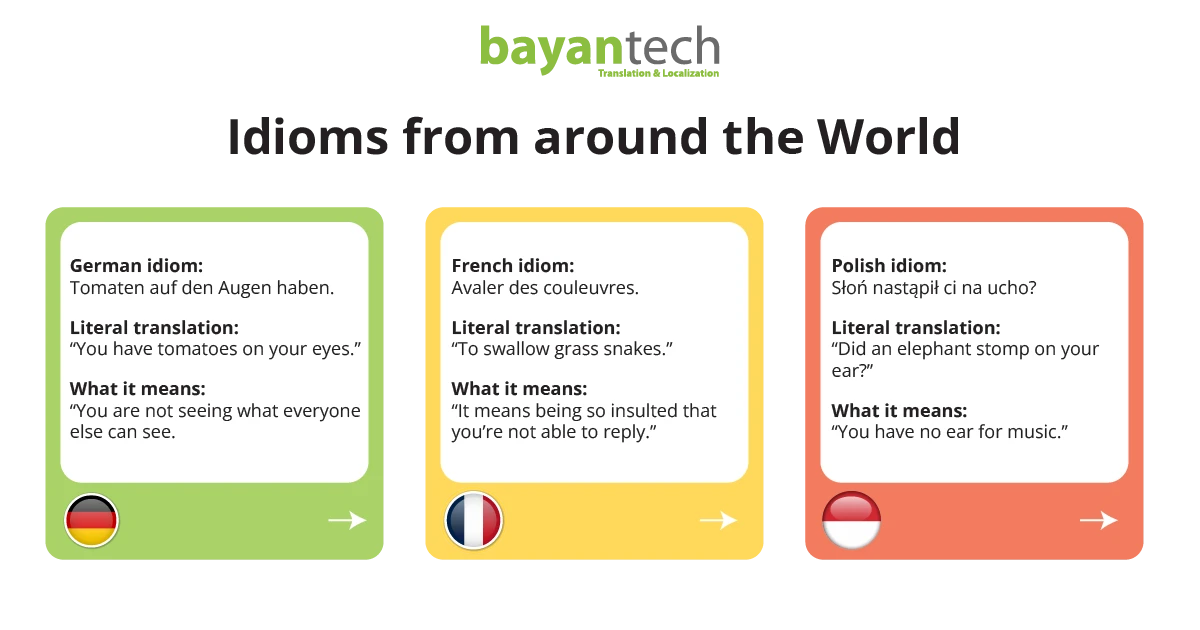
These aren’t just “small mistakes”; they’re real risks to your brand image and performance. Partnering with experts in website localization ensures your messaging aligns with local preferences, cultural expectations, and SEO standards in each native language market.
How the Content Localization Process Works
A solid content localization process doesn’t start with translation; it starts with understanding your audience and your local market. Here’s how it typically works:
- Market research: First, you define the target audience and analyze local market needs. Who are you speaking to? What are their preferences, pain points, and expectations?
- Cultural adaptation: Then, you adapt tone, examples, imagery, and references so they feel natural to native speakers, not like content copied from another region.
- Linguistic translation:Next, the content is translated into the target language with context in mind, keeping meaning, intent, and brand voice consistent.
- SEO localization:Here, you adapt keywords, meta tags, and on-page structure so localized pages, blogs, and social media localization efforts can actually be found by local users.
- Review and QA:Finally, editors and reviewers check for consistency, terminology, and alignment with style guides, as well as any legal or brand requirements.
This content localization process applies to websites, social media posts, videos, and eLearning localization projects, among others.
It’s not just a language task; it’s a content localization strategy that connects directly to your wider content and marketing goals.
Our software and app localization team, for example, uses streamlined workflows and native linguists to ensure both accuracy and scalability.
Crafting an Effective Content Localization Strategy for Global Growth
Once you’ve mapped out the localization process, the next step is turning it into a scalable strategy. That means being intentional about what you localize, how you manage it, and how you measure impact across markets.
1. Set clear localization priorities: Start with the content that has the biggest influence on revenue and user experience.
Think key product and service pages, high-performing landing pages, core support content, and a select group of blogs or resources that drive demand.
As you see results, you can gradually expand into broader multilingual content adaptation and social media localization.
2. Establish ownership and governance: Decide who owns terminology, who maintains glossaries and style guides, and how local teams or regions can give feedback. This level of structure is how companies maintain culturally aligned messaging at scale.
3. Connect localization to performance: Treat localization as a growth driver. Track metrics like organic traffic on localized pages, conversion rates, lead quality, and in-market revenue influenced by localized assets. A localized blog or product page often ranks higher and converts better because it speaks your audience’s language, literally and culturally.
With the right mix of governance, prioritization, and measurement, localization becomes a strategic growth engine. Our multimedia localization services extend that same approach to video, eLearning, and campaigns so every asset feels created for each market, not just translated.
Examples of Successful Global Content Localization
Real brands are already turning content localization into measurable growth.
McDonald’s: Localized Menus in IndiaIn India, McDonald’s removed beef and pork from its core menu and introduced items such as the vegetarian McAloo Tikki and the chicken-based Maharaja Mac, designed around local dietary norms and flavor profiles. These localized products became some of the brand’s most popular offerings and played a key role in building trust and relevance in a complex, highly sensitive market.

Airbnb: Localized Experience at ScaleAirbnb supports multiple languages, local payment methods, and region-specific features (for example, local sign-in options in China). By tailoring both the interface and experience to local expectations, Airbnb has been able to serve guests and hosts in countries and cities around the world, while still feeling “local” to each audience.

All these examples point to the same conclusion: when brands adapt language, experiences, and cultural cues—not just words—they see higher engagement and better business results in each target market.
According to CSA Research, 75–76% of online consumers prefer buying in their native language, and 60% rarely buy from English-only websites.
Ready to Localize Your Content for Global Success?
Reach global audiences with content that feels local, natural, and truly engaging. With bayantech, you get more than translation—you get content localization powered by ISO-certified linguists, advanced CAT tools, and deep industry expertise.
Whether you’re localizing websites, social media, software, or marketing materials, we build a scalable content localization strategy tailored to your goals and target markets.
Ready to turn your content into a real growth driver in new regions? Get a free consultation on your content localization strategy