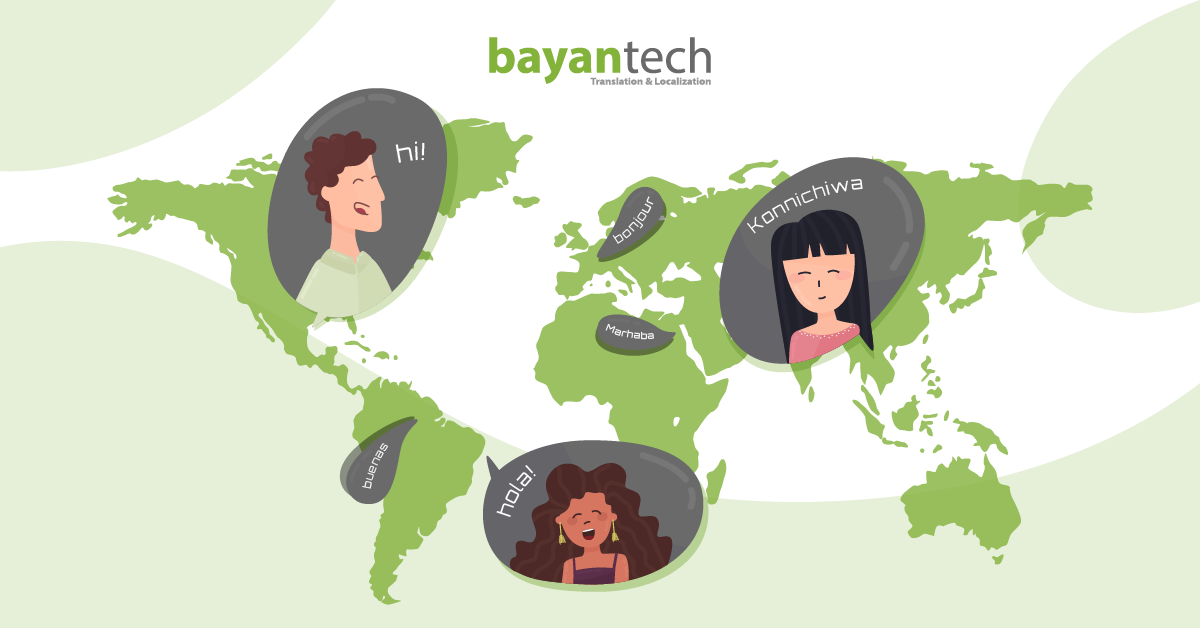


Time and again, we’ve seen that with every technological leap, those who don’t adapt get left behind. The pace of innovation is faster than ever, and the translation industry is no exception; it evolves alongside global change, with the advancements of AI.
Here are five key translation industry trends shaping 2025, based on insights from our experience as a professional language service provider working with clients worldwide.
Why Staying Up-to-Date with Translation Industry Trends Matters
Sticking to outdated translation methods can hold your business back. It slows project launches, raises costs, and weakens how your message resonates with international audiences.
Global markets move fast, and so do languages, cultures, and technologies. A translation style that worked five years ago might now sound outdated or tone-deaf.
Traditional translation processes are often slow, costly, and hard to scale. But embracing modern solutions, like AI-driven translation, LLMs, and MTPE (Machine Translation Post-Editing), brings efficiency and speed.
Combined with translation memory and native review, these tools let companies localize more content without losing quality.
Challenges the Translation Industry Faced Before 2025
Before the latest wave of innovation, the translation industry faced several key challenges that slowed progress and limited efficiency:
- Slow project turnarounds: Heavy reliance on human translation, without proper integration of machine translation or AI, often led to long delivery times for large-scale projects.
- Literal translations over cultural context: Many providers focused on word-for-word translation instead of leveraging solutions like localization or transcreation to convey true meaning and cultural nuance.
- Complexity in managing multiple languages: Handling numerous language pairs, especially rare ones, made coordination and quality assurance more difficult.
- Limited real-time solutions: The absence of advanced, instant translation tools made fast and seamless global communication harder to achieve.
Translation Industry Trends Defining 2025
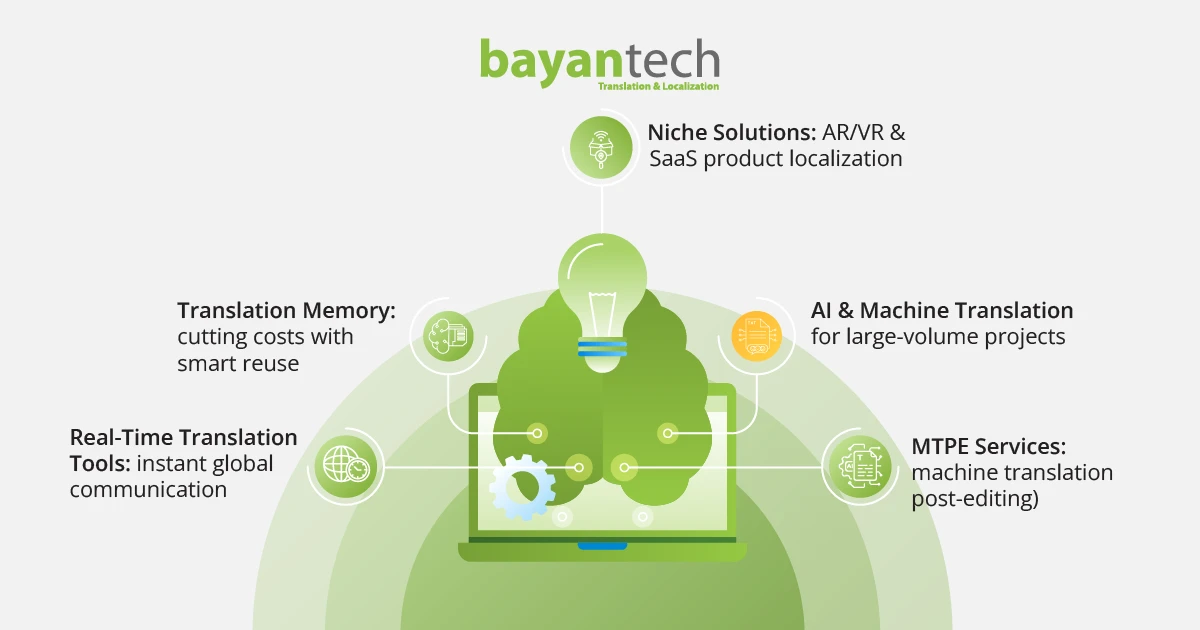
- Adoption of Machine Translation Systems Powered by AI: Artificial intelligence has transformed how translation engines are trained. Advanced CAT tools and LLMs now better capture linguistic nuances and context, greatly improving translation quality and fluency.
- Growth of Post-Editing Workflows Combining Tech + Human Review: Machine Translation Post-Editing (MTPE) has become one of the most in-demand services for large-volume projects, especially those involving instructional, repetitive, or non-creative content.
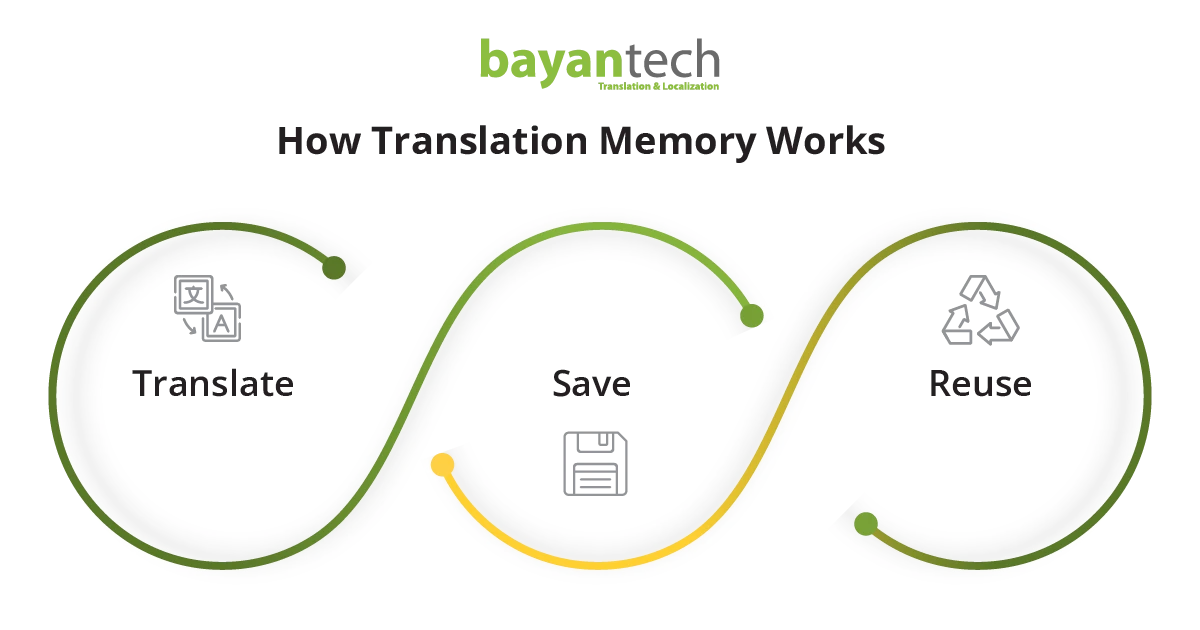
- Use of Translation Memory for Consistency and Cost Savings: Translation memory technology reuses previously approved translations, ensuring consistency across projects while reducing both costs and turnaround times.
- Rise of Real-Time Translation Tools for Global Communication: AI-powered tools like Wordly AI, DeepL Voice, and Kudo enable instant multilingual communication—ideal for international meetings and on-the-spot translation needs.
- Expanded Language Services for Niche Industries: The growth of emerging sectors like VR/AR, AI engineering, podcasting, and SaaS has created demand for specialized services such as website localization, multimedia translation, and immersive content adaptation.
How Businesses Can Leverage Translation Industry Trends
If you’re wondering how your business can make the most of these translation industry trends, here are a few ways to ensure smoother, more successful projects:
- Partner with a trusted language service provider (LSP):Choose a provider that relies on professional translators and advanced translation technology to deliver efficient, high-quality results.
- Ensure ISO-certified workflows:Work with providers who follow ISO standards to guarantee accuracy, consistency, and compliance with global translation best practices.
- Combine human expertise with technology:Opt for services that blend human translation, machine translation, and post-editing supported by regulations, terminology databases, and style guides to balance quality and speed.
- Work with native, in-market linguists:Assign your project to on-ground native translators who understand cultural nuances, ensuring your message connects naturally with every audience.
Translation Trends in Action
According to Language Science Press, using translation memory can reduce costs by 20% to 30% and cut delivery time by an average of 50%.
Meanwhile, the machine translation market—once valued at USD 650 million—grew to USD 1.1 billion in 2022 and is projected to hit USD 3 billion by 2027.
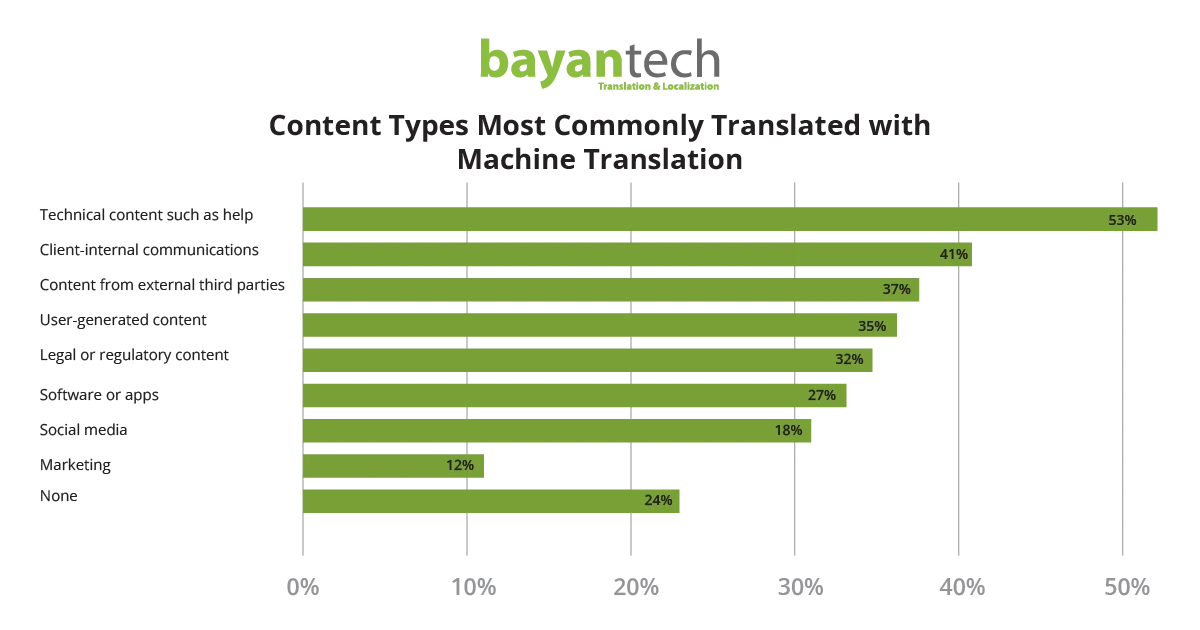
CSA Research notes that many businesses now use machine translation for technical content, internal communications, and third-party materials.
Not only does strong machine translation reduce human error and minimize lengthy review cycles, many translators also offer lower rates for post-editing compared to full human translation.
Real brands are already doing this. Mercado Libre translates product titles and descriptions between Spanish and Portuguese at marketplace scale—using Amazon Translate and GPT models—to cut manual effort and speed cross-border listings.
AirAsia customized a collaborative translation workflow with shared translation memories and terminology, reporting up to 60% localization cost savings and sub-24-hour turnarounds.
Do Not Miss Out on Translation Trends & Partner with bayantech
Stay ahead of 2025’s translation industry trends with bayantech, your trusted partner in global communication.
Our ISO-certified translation services combine cutting-edge AI tools with the precision of professional translators, ensuring every project meets the highest standards of quality and cultural accuracy.
Across the industries we serve, from life sciences and legal to eLearning, technology, and marketing, we deliver tailored solutions that help businesses thrive in every market.
Whether you’re expanding into new regions or upgrading your global strategy, bayantech helps you translate with confidence, speed, and consistency.