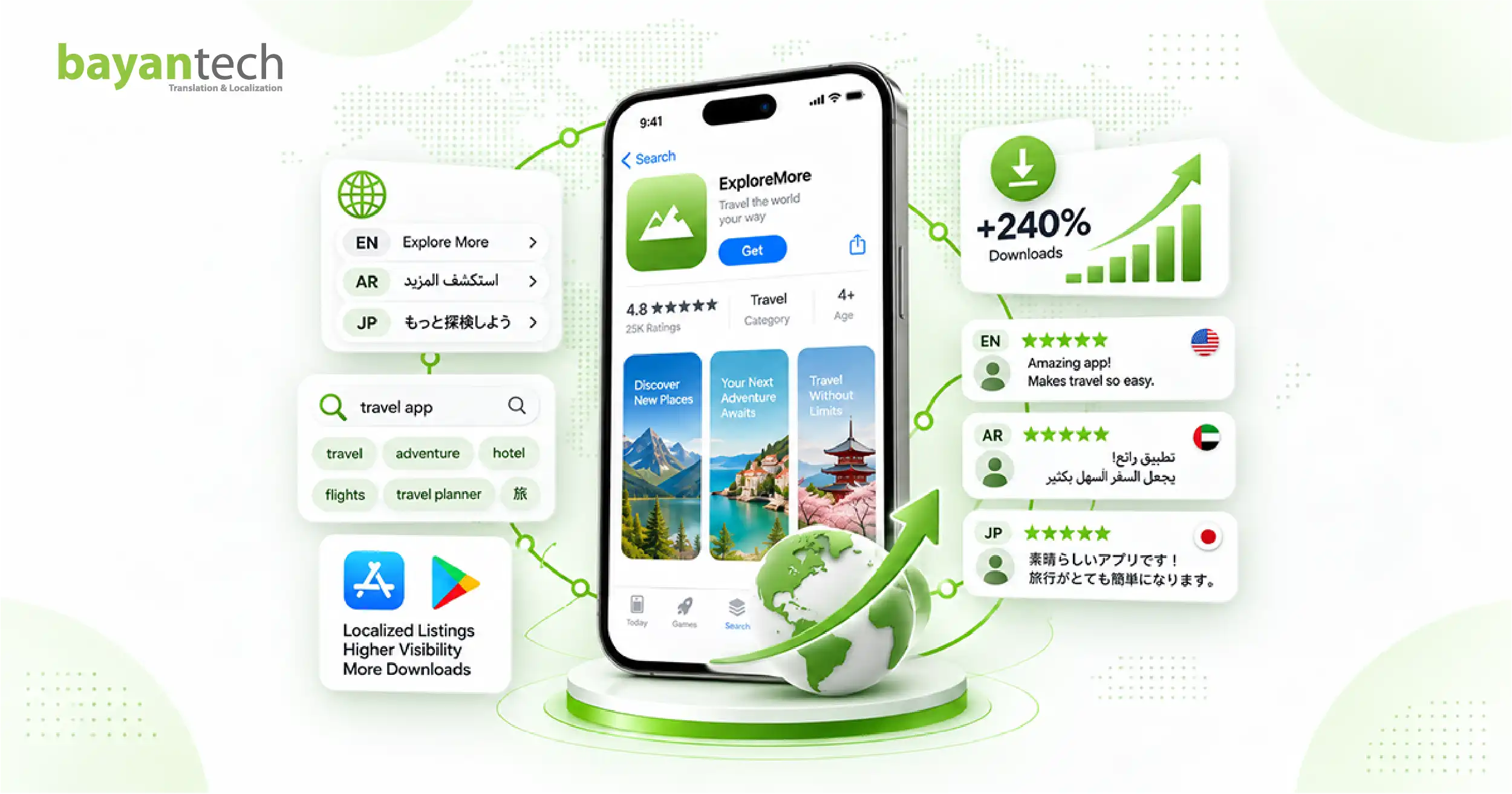


A website ranking number one in English can totally disappear when people search in Spanish, Arabic, or other languages.
It is kind of surprising how many companies just ignore this part when they try to grow online, and it can cost them greatly. Traditional ways of doing SEO do not really translate well to other countries.
Search habits change a lot depending on where you are. People use different keywords, phrase things in their own way, and even interact with search engines differently. Without adjusting for that, a site stays hidden and misses tons of customers who are looking in their native language.
To get around this, continue reading to know 5 SEO localization best practices, so you can reach global customers better.
Why You Shouldn’t Ignore SEO Localization
If you skip SEO localization when launching a site for other countries, it really messes with how visible you are. If everything is in English, the metadata and all that, then French searches will not even find you. And that cuts out so many possible customers right there.
Here’s why SEO localization is a necessity and not an extra measure for taking your website global:
- Localized content matters. Pages that remain untranslated or poorly adapted fail to connect with users and quickly lose credibility.
- Technical gaps hurt rankings. Poor URL structure and missing hreflang tags often create duplicate content issues that confuse search engines.
- Irrelevant keywords cost visibility. Search terms differ across regions, and using a single set of keywords across markets (even if they share the same language) leads to weak search engine rankings.
Poor SEO Translation Costs You a Lot More Than You Think
Direct translation does not mean SEO optimization. The content may be precisely translated, but could still lack search engine performance if not in line with the standards of SEO translation and SEO localization.
Whereas translation focuses on making sure that the content is correctly interpreted from one language to another, localization is about customizing the content to meet search intent and user behavior in target countries.
If this process is skipped, companies miss whole segments of the audience that would contribute significantly to conversion rates. In other words, there is a missed opportunity for revenue and poor results for the global image of the company.
Statistically, about 73% of consumers are inclined to buy from sites in their language. Likewise, this number represents those who prefer reading reviews in their language.
In fact, 9 out of 10 Internet users choose to visit a website available in their native language whenever possible.
What Investing in SEO Localization Looks Like
Using the correct SEO localization strategy means that your website will rank wherever your clients are searching for you. In contrast to just translating your website, SEO localization goes beyond mere translation and encompasses everything from your website’s layout to its metadata.
Here’s what it delivers:
- Increased traffic: Optimized content in multiple languages attracts more potential customers from every target market.
- Stronger local visibility: Your brand shows up in local search results where competitors are already competing.
- Measurable global reach: Consistent, localized SEO builds scalable visibility across regions and languages.
- Proven scalability: Insights from Blend and SEMrush show how companies using SEO localization grow efficiently across dozens of markets.
5 Best Practices for an Effective Localized SEO Strategy
A strong localized SEO strategy is more than just translating a website. It blends linguistic accuracy with technical SEO practices to ensure your content ranks in every target market. Below are the key elements to get it right:
- Translate content with SEO in mind. Effective SEO localization means translating while researching keywords for each target language. For example, in Japan, “cheap flights” is searched using different phrasing than in English. Without localized keyword integration, your site won’t appear in relevant search results.
- Adapt URL structure for regional targeting. Using country-code top-level domains (ccTLDs) or subdirectories signals to both users and search engines that your content is designed for a specific market. A clear structure improves trust and visibility.
- Apply hreflang tags correctly. Hreflang attributes help search engines deliver the right content version to the right audience, preventing duplicate content issues and confusion in multilingual searches.
- Optimize metadata in the local language. Titles, meta descriptions, and alt tags should reflect local search habits. Metadata written in the local language not only boosts rankings but also increases click-through rates.
- Conduct local keyword research. Search behavior varies from region to region. A phrase that drives traffic in Spain might not resonate in Mexico. Local keyword research ensures your site reflects real search intent in each target market.
A Case Study on Successful SEO Localization
Booking.com is a great example of a business that has mastered SEO localization. Since its platform serves people from different regions booking accommodation worldwide, it tailors its SEO strategies to each market.
This means thinking like a local traveler searching for budget stays. For instance, in Egyptian Arabic, the search might be “أوتيلات رخيصة في بالي,” while in Spanish, it would be “hoteles baratos en Bali.”
It’s also important to note that both Arabic and Spanish have multiple dialects, and keywords vary across them. To reach diverse audiences, Booking.com develops SEO-optimized landing pages for specific markets.
Each page is localized with SEO in mind, adapting date formats, currencies, metadata, URLs, internal links, and language to align with local expectations and secure high visibility in search engines.
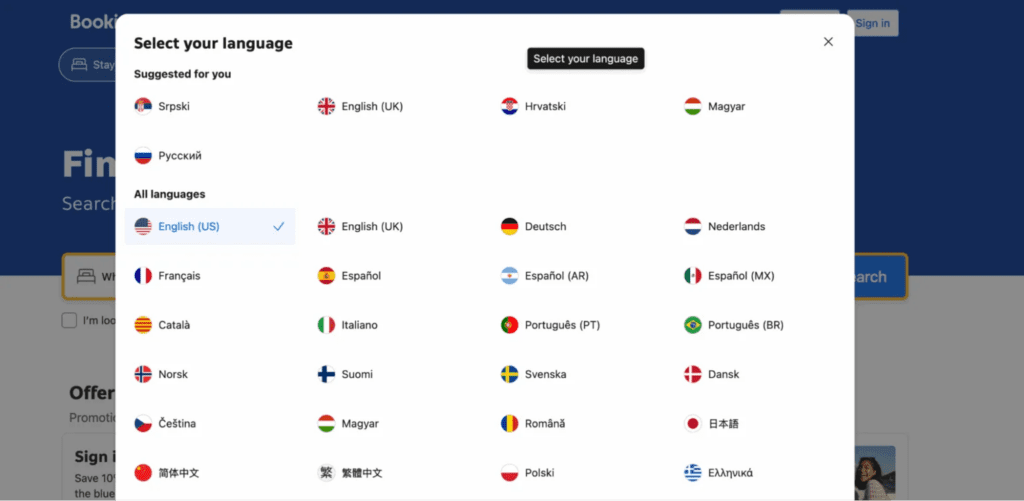
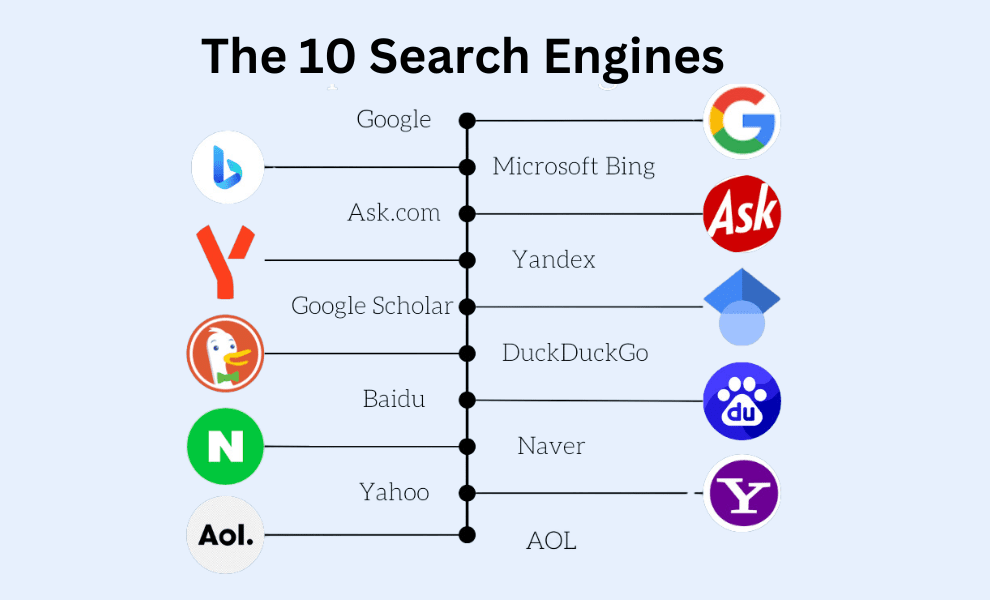
SEO localization goes beyond just content. Businesses must conduct thorough target market research to understand which search engines their customers actually use.
For example, in Russia, the leading search engine isn’t Google, but Yandex. In China, it’s Baidu, while in South Korea, Naver dominates the market.
Why SEO Localization Needs Strong Content Marketing
To maximize impact, SEO localization needs to be paired with strong multilingual content marketing. Without localized content, even the most optimized site is like a shop with no products, visible, but offering little value.
Localized blog posts, FAQs, and product descriptions are essential for aligning with regional expectations. They provide the relevant keywords and cultural nuance that search engines reward and customers trust.
A well-crafted article in the local language does more than attract clicks; it builds authority, engagement, and loyalty.
High-quality localized content is the backbone of international SEO. Search engines favor pages that deliver value and relevance, while users respond to content that feels authentic.
When SEO localization and content marketing work together, they create visibility, credibility, and measurable growth across global markets.
Ready to Expand Your Global Reach with SEO Localization?
SEO localization is there for stronger local visibility, better search engine rankings, and sustainable international growth.
Website localization and tailored content marketing services can obviously help you attract more traffic and convert more potential customers in every market.
At bayantech, we bring together SEO expertise and proven localization experience to help your business succeed globally. Contact us today!